If you’re planning a trip to Peru and have seen the news about El Niño, it’s only natural to wonder whether you should stick to your plans. The good news is that its effects vary a lot from one region to another, so alerts about heavy rain and flooding don’t mean that every tourist destination in the country will be affected in the same way.
Below, we explain what the El Niño phenomenon is, how it affects Peru’s different regions, what to expect in the main tourist destinations and what to keep in mind when planning your trip.
What is El Niño and how does it affect Peru’s climate?
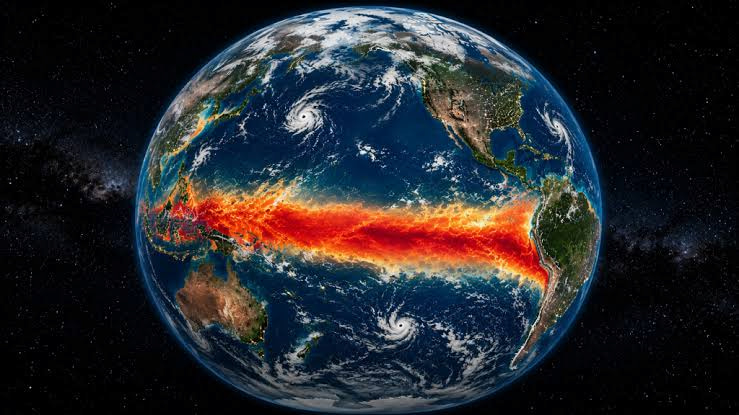
Among the natural phenomena in Peru, El Niño is one of the best known and also one of the most studied. The country has lived with it many times throughout its history and has institutions dedicated to monitoring it closely. It is a warming of the Pacific Ocean’s waters that changes rainfall and temperatures for a few months.
There are usually two types, and they can occur at the same time:
- Coastal El Niño, when the sea warms off the coasts of Peru and Ecuador. That heat creates more clouds and brings more rain to the north and central coast.
- Global El Niño, when the warming happens far away, in the middle of the Pacific. This shifts the winds that carry moisture toward the Andes, which is why there is usually less rain in the southern Andes and parts of the Amazon.
This season, both are happening at once, which is why each region of Peru experiences El Niño in its own way.
Peruvian authorities, through ENFEN and Senamhi, carry out ongoing monitoring and keep updating their forecasts as the season progresses, so you can plan your trip with reliable information.
Will El Niño affect your trip to Peru in 2027?
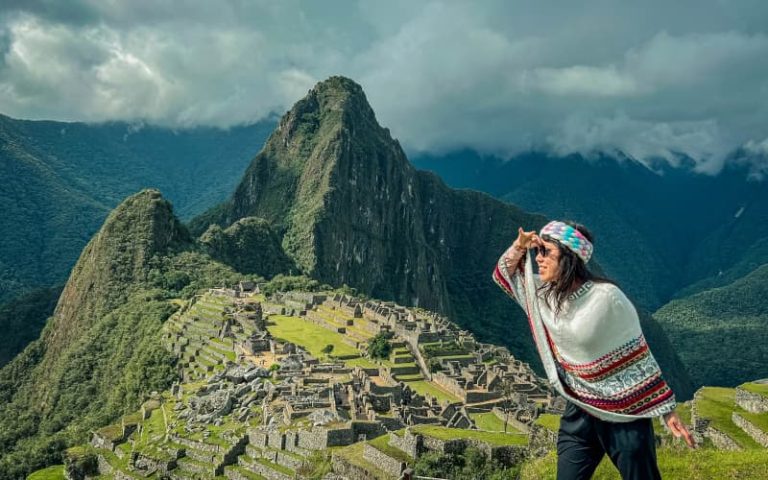
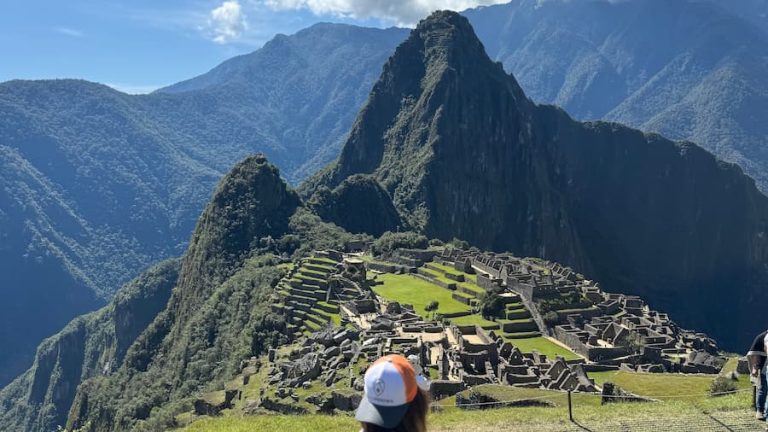
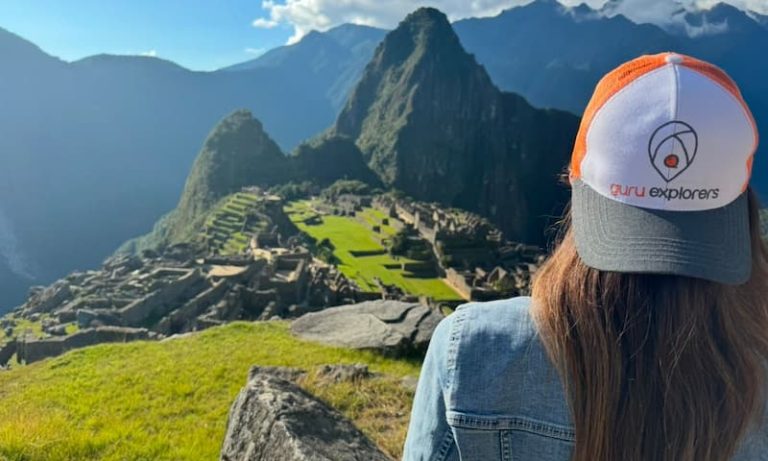
If you plan to visit Cusco, Machu Picchu, the Sacred Valley or Arequipa, the news about heavy rain and flooding on the north coast doesn’t necessarily reflect what will happen in these destinations.
In fact, climate outlooks for Peru’s summer of 2027 (January to March) forecast normal or below-normal rainfall across much of the southern Andes, where Cusco is located. This means that, unlike the north coast, no widespread increase in rainfall linked to El Niño is expected in this region, just the usual seasonal rain, which could even be lighter than normal.
So there’s no reason to cancel a trip to Cusco or Machu Picchu just because of El Niño. That said, November to March is the rainy season in Cusco, so it’s always a good idea to check the weather and the state of access routes before you travel.
Why don’t rain and flooding affect all of Peru equally?
It all comes down to geography. It rarely rains on the coast during the year, so when rainfall increases, it’s felt more, especially in valleys and on roads near rivers. The southern Andes and the rainforest, on the other hand, have a rainy season every year and are used to it.
From January to March 2027, which are the summer months in Peru, the official forecast calls for above-normal rainfall on the north and central coast, while the southern Andes and the Amazon are expected to see normal to below-normal rainfall.
The following table compares the five regions travelers visit most. Each row shows the destinations it includes, the rainfall expected for the summer and a practical tip for your itinerary:
| Region | Destinations | Forecast for January to March 2027 | What to keep in mind |
| North coast | Tumbes, Piura, Lambayeque, La Libertad | Above-normal rain and warmer weather | Keep your dates flexible and confirm routes and tours before heading out |
| Central coast | Lima and surroundings | Warmer and more humid, with above-normal rain | The city usually runs as normal; check any road transfers |
| South coast | Paracas, Ica, Nazca | Normal to above-normal rain | Check road conditions if you travel overland |
| Southern Andes | Cusco, Machu Picchu, Puno, Arequipa | Normal to below-normal rain | The usual rainy season, with days that may feel warmer |
| Amazon | Iquitos, Tambopata, Manu | Normal to below-normal rain | River levels may vary, and some tours may be adjusted |
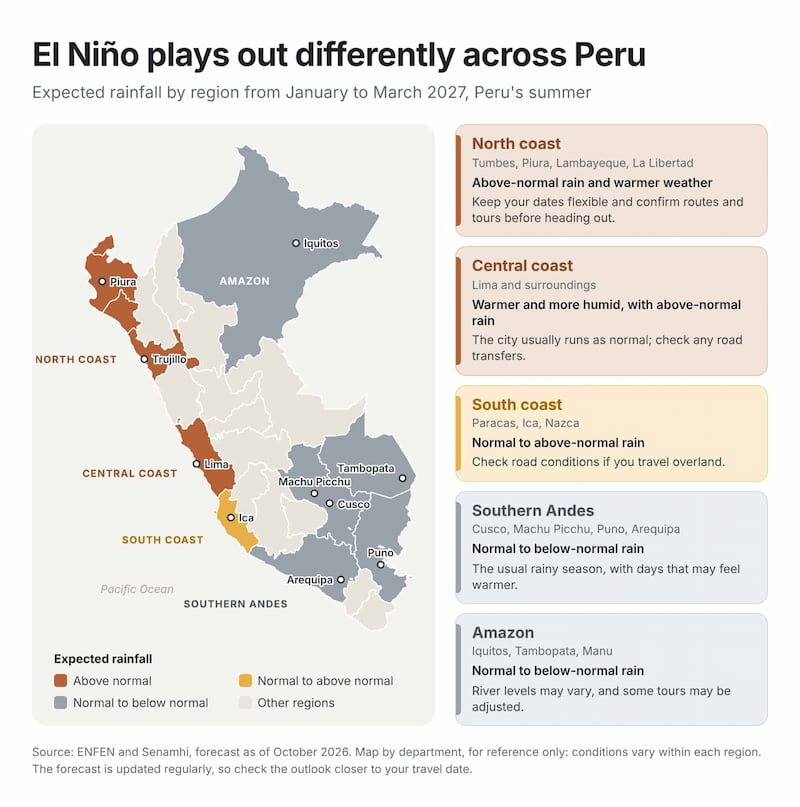
On the north coast, the rain would start to be felt from November, and during those months there may be temporary disruptions on some roads or changes to certain tours. In Lima, El Niño is mostly noticeable as a warmer and more humid summer, and visits to Miraflores, Barranco, the Historic Center or the city’s restaurants usually go ahead as normal.
What’s the outlook for Cusco and Machu Picchu during El Niño?
Cusco and Machu Picchu have a different weather pattern from the north coast. For the southern Andes, where both destinations are located, official outlooks point to normal to below-normal rainfall from January to March 2027, and the region’s main attractions continue to welcome visitors.
Still, it’s worth knowing what to expect. From November to March, Cusco has its rainy season as it does every year, with or without El Niño, so you may find cloudy days and occasional showers. A forecast of less rain doesn’t mean perfect weather either, nor does it rule out some schedule changes. At this time of year, operations usually adapt to each day’s conditions, just as they do every season.
If you’re traveling this season, here’s what you’ll find with the main services in Cusco:
| Aspect | What to expect |
| Cusco attractions | Open to the public, subject to current official regulations |
| Machu Picchu | Regular entry by circuits and time slots; mist and rain are part of the season |
| Train to Machu Picchu | During the rainy season, it usually departs from Ollantaytambo |
| Inca Trail | Closed all of February for maintenance, as it is every year |
| High-altitude treks | Trails may be wet; confirm the route conditions before setting out |
If you’re planning to arrive on foot, check out what to pack for the Inca Trail, where we explain how to pack your backpack for the rainy months. And if you’re still putting your route together, you can browse our Machu Picchu tours and Cusco tours, which we run all year round.
How long could the El Niño phenomenon last in Peru?
According to current official forecasts, the El Niño phenomenon in Peru would last until around May 2027, that is, until the middle of Peru’s autumn. ENFEN estimates that the sea would stay warmer than usual until January 2027 and that the event would gradually weaken in the following months.
This calendar breaks the forecast down by period, from October 2026 to May 2027, so you can see where your trip falls:
| Period | What’s expected |
| October 2026 to January 2027 | Warmer-than-usual sea off the coast |
| From November 2026 | Rains begin on the north coast |
| January to March 2027 | Rainiest months, especially on the north and central coast |
| April and May 2027 | The event gradually weakens |
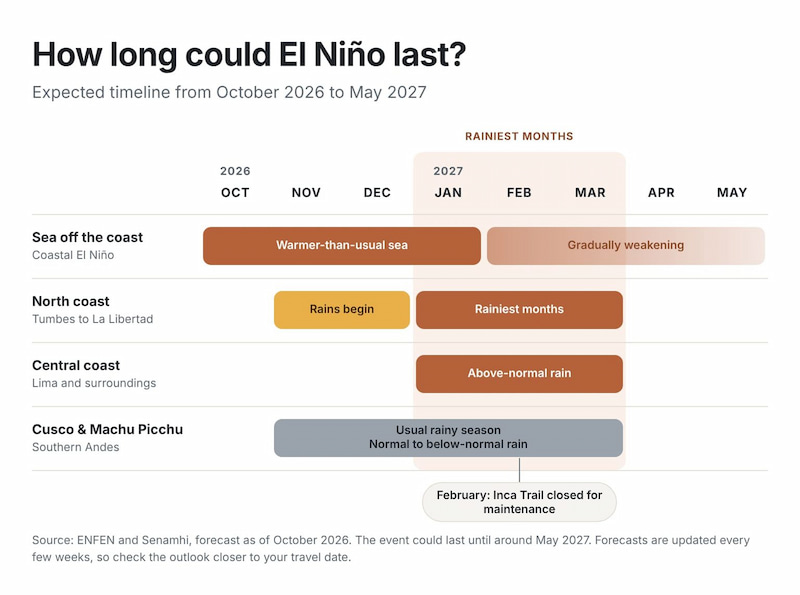
These outlooks are updated frequently, so the picture will become clearer as your travel date approaches. If you’re traveling several months from now, the most useful thing is to calmly follow how the forecast develops and rely on official information.
What should you check before booking or changing your trip to Peru?
In most cases, there’s no need to cancel or change destinations. It’s enough to plan with a little more flexibility and check a few things before confirming.
This table works as a checklist: it brings together the five things we recommend checking, what to look for in each one and where to find reliable information:
| What to check | What to look for | Where to check |
| Local alerts | Weather advisories for your destination and dates | Senamhi, ENFEN and Indeci |
| Road access | Road and route conditions, especially on the coast | Transport authorities and your tour operator |
| Transportation | Schedules and possible changes to flights, trains and buses | Airline, train company and your travel agency |
| Tours | Availability and alternatives if an activity is rescheduled | Your local tour operator |
| Change policies | Deadlines and fees to reschedule, plus insurance coverage | Booking terms and insurance policy |
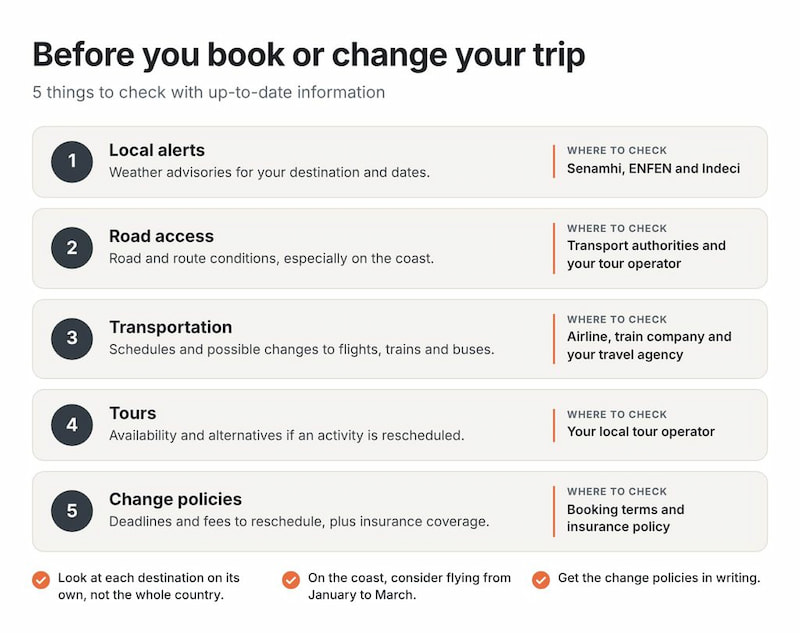
From there, look at each destination on its own rather than the country as a whole. If your route includes the coast between January and March, flights are usually more comfortable than long stretches by road. Also keep the change policies in writing, in case your dates change.
Plan your trip to Peru with Guru Explorers
The El Niño phenomenon in Peru is a reason to plan with good information, not to give up on your trip. The country continues to welcome travelers, and the vast majority of itineraries can be enjoyed with good planning. What matters is looking at each destination with up-to-date information and not applying the news from one region to the whole country, because what happens on the north coast doesn’t describe what you’ll experience in Cusco, Arequipa or the Amazon.
At Guru Explorers, we work from Cusco with a local team, closely follow official information and adapt each itinerary when needed, whether by reordering visits or suggesting alternatives ahead of time. You can explore our tours in Peru and contact us to plan your itinerary based on your dates and the destinations you’d like to visit.