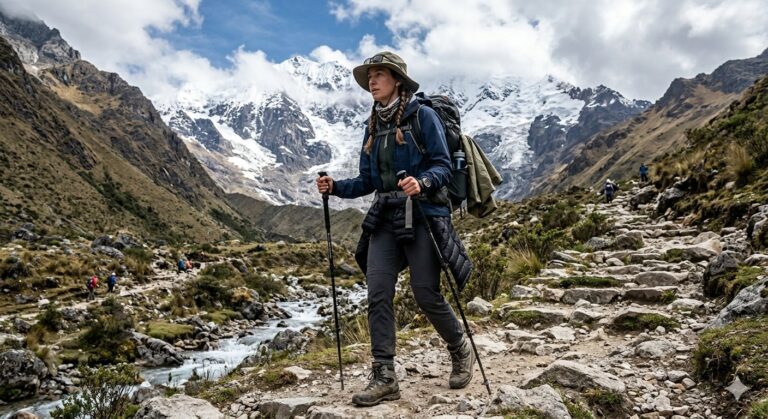
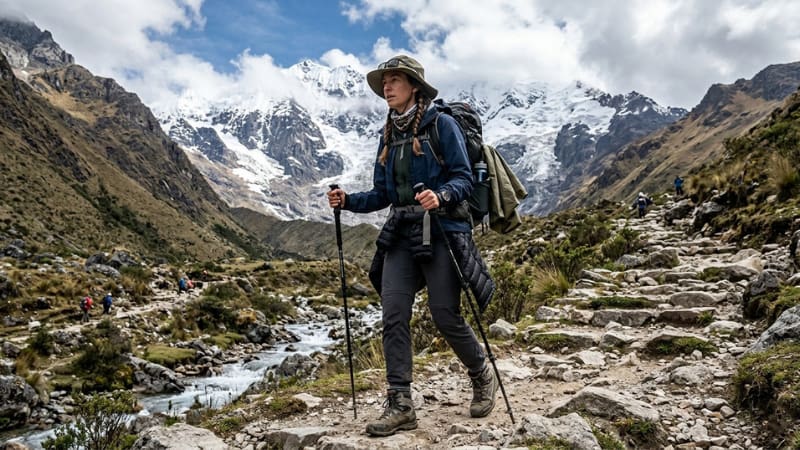
Your packing list for the Salkantay Trek is one of the most decisive factors in how you experience the journey. In just 2 days, the route crosses the Salkantay Pass at 4,630 m (15,190 ft), skirts Laguna Humantay, and can throw intense sun, rain, hail, and extreme cold at you in a single afternoon. There is no room for improvisation.
This guide tells you exactly what to bring on the 2-day Salkantay Trek: clothing, footwear, documents, food, sleep gear, and what to leave at home — complete with a ready-to-use checklist before you set off.
Clothing for the Salkantay Trek’s Changing Weather
The most common mistake is packing for just one type of climate. On the Salkantay Trek, you can be walking under a blazing midday sun and dealing with rain or hail two hours later. The solution is the 3-layer system, which lets you adapt to any condition without carrying too much weight.
Why Layer Up on the Salkantay Trek
The layering system works because each garment serves a specific function and layers can be added or removed depending on altitude and conditions. Heading up to the pass in a thick cotton sweater as your only protection is the fastest route to overheating on the climb and hypothermia at the summit.
| Layer | Function | Recommended Material | Avoid |
| Base | Wicks moisture away from the skin | Fast-drying technical polyester or merino wool | Cotton |
| Mid | Retains body heat | Medium-weight fleece | Anything too thick |
| Outer | Blocks rain and wind | Waterproof hard shell or softshell | Waterproof without breathability |
Complete Clothing List for the Salkantay Trek
- Base layer: 2 long-sleeve technical shirts (polyester or merino); 1 short-sleeve technical shirt for warmer stretches; 1 thermal leggings or tights (for early mornings and nights)
- Mid layer: 1 medium-weight fleece or polar jacket; 1 thermal jacket or compact down jacket (essential at the Salkantay Pass)
- Outer layer: 1 waterproof and windproof jacket (with sealed seams); 1 lightweight rain poncho (a handy backup for quick showers on the move)
- Lower body: 2 trekking trousers (zip-off convertible style preferred); 1 pair of shorts for lower, warmer sections; 1 pyjama trousers or tracksuit bottoms for the campsite
- Underwear and head accessories: 4 to 6 pairs of sports underwear (synthetic — never cotton); 1 wide-brim hat to protect your face and neck from the sun; 1 wool or fleece beanie (essential at the pass and at night); 1 neck gaiter or buff (versatile: hat, neck warmer, or headband); 1 pair of lightweight thermal gloves
Seasonal Packing Variations
| Gear | Dry Season (Apr–Oct) | Rainy Season (Nov–Mar) |
| Waterproof jacket | Recommended | Mandatory |
| Rain poncho | Optional | Mandatory |
| Waterproof pack cover | Recommended | Mandatory |
| Sunscreen SPF 50+ | Mandatory (clear skies, very high UV) | Necessary (UV still active even when overcast) |
| Sleeping bag -10°C | Necessary | Especially necessary (colder and damper nights) |
| Ziploc bags for electronics | Recommended | Mandatory |
| Extra thermal layers | 1 set is enough | Consider bringing an extra set |
| Sunglasses | Mandatory | Recommended |
Recommended Footwear for the Trek
Footwear is the one area where you should never cut corners. Two days over uneven terrain, wet rocks, and mud is nothing like any urban walk.
Footwear Options Compared
| Footwear Type | Suitable for Salkantay 2D | Notes |
| High/mid-cut waterproof trekking boots | Yes — recommended option | Best ankle support and traction; the safest choice |
| Trail running shoes | Yes, if you have mountain experience | Lighter, but less lateral support |
| Urban trainers or sneakers | No | Insufficient traction and waterproofing |
| Trekking sandals | Campsite only | Not suitable for the trail itself |
Criteria for Choosing Your Boots
- Waterproofing: Gore-Tex membrane or equivalent
- Grip sole: Vibram or another lugged sole for mixed terrain
- Cut height: mid or high to protect your ankle on the descents
- Broken in before the trek: wear them on at least 2 weeks of short walks to prevent blisters on the route
Camp footwear: bring lightweight trainers or sandals exclusively for the campsite. After hours in your trekking boots, your feet need a rest.
Socks: 3 to 4 pairs of technical merino wool or polyester socks. Cotton socks retain moisture and cause chafing. Never cotton socks.
Essential Accessories for Rain, Cold, and Sun
| Condition | Essential Accessory |
| Intense sun (high UV at altitude) | UV-rated sunglasses (minimum 80% light reduction), wide-brim hat, SPF 50+ |
| Rain and wind | Waterproof jacket, rain poncho, pack cover, Ziploc bags |
| Extreme cold (Salkantay Pass, nights) | Wool beanie, thermal gloves, thick buff/neck gaiter, compact down jacket |
Documents, Money, and Important Personal Items
Required Documents
- Original passport: there is an official government checkpoint at the start of the trail. All foreign visitors must present it before setting off. If the route ends at Machu Picchu, it is also required to enter the citadel — the details must match those on the entrance ticket exactly.
- Machu Picchu entrance ticket (if applicable): downloaded and showing your passport details.
- Travel insurance covering high-altitude activities and medical evacuation.
Cash
Carrying between 300 and 400 soles in cash covers optional purchases on the route (snacks, water, tips for the muleteer) and any unexpected expenses. Cards do not work anywhere on the trail.
Essential Personal Items
- Sunscreen SPF 50+ (UV radiation above 4,000 m is up to 4 times more intense than at sea level)
- Lip balm with SPF
- Insect repellent (especially useful on the lower sections toward Aguas Calientes)
- Toilet paper (most restrooms on the route do not supply it)
- Wet wipes for a quick clean without a shower
- Hand sanitiser
- Basic personal first aid kit: paracetamol, ibuprofen, Imodium, plasters/Compeed for blisters, elastic bandages
- Water purification tablets (backup for emergencies)
On altitude sickness (soroche): the Salkantay Pass exceeds 4,600 m. If your doctor approves, consider carrying Diamox (acetazolamide) as a preventive measure. It does not cure altitude sickness, but it can reduce the symptoms. Always consult before taking it.
What to Bring for Sleep, Hydration, and Food on the Trek
Hydration
Dehydration is very common at high altitude. The recommended intake is 2 to 3 litres of water per day, particularly on the more demanding stretches. Insufficient hydration causes dizziness, fatigue, and can worsen altitude sickness symptoms.
Options for carrying water:
- A 1-litre reusable bottle (two bottles ensure the daily volume) for refilling at camp
- A 2–3 litre hydration system such as a CamelBak (practical for drinking on the move)
Adding isotonic powder replenishes electrolytes and improves water absorption — particularly useful on the most demanding sections.
Food on the Trail
Organised tours such as those offered by Salkantay Trekking Tours include main meals at the campsite. Even so, it is worth bringing high-energy snacks for the stretches between meals:
- Dried fruit and nuts
- Energy or cereal bars
- Dark chocolate (raises blood sugar and morale)
- Dehydrated fruit
Sleeping in the Mountains
A sleeping bag is non-negotiable. Nights at Soraypampa (3,800 m) can drop below 0°C even in the dry season.
| Feature | Minimum Recommendation |
| Shape | Mummy style (with hood and drawcord) |
| Comfort temperature | -5°C to -10°C |
| Material | Synthetic (moisture-resistant) or down (more compact and warmer) |
| Weight | Under 1.5 kg so as not to overload the duffel bag |
If you do not have a suitable sleeping bag, specialist trekking agencies such as Guru Explorers offer equipment rental.
What NOT to Bring on the Salkantay Trek
The golden rule: every extra kilo in your pack is a debt you pay on the ascent. Your day pack for 2 days should weigh no more than 5 to 8 kg.
| Do NOT Bring | Why |
| Cotton clothing (T-shirts, jeans, sweatshirts) | Retains moisture, takes ages to dry, causes hypothermia in cold conditions |
| Urban shoes or canvas trainers | No traction or waterproofing for mountain terrain |
| A 60L+ rucksack | Unnecessary for 2 days; creates excess weight and poor weight distribution |
| Jewellery or valuables | Risk of loss, zero utility on the trail |
| Physical books or heavy reading material | A Kindle weighs 200g; a book can weigh 500g or more |
| Too many extra clothes | The layering system handles climate variability with few garments |
| Multiple chargers and gadgets | Essentials only; one compact power bank covers everything |
| Too much cash | 300–400 soles is enough; there are no vendors needing more |
| City umbrella | A waterproof poncho is more practical, weighs less, and leaves your hands free |
| Strong perfumes or scented lotions | Attract insects and may be unpleasant for the rest of the group |
Quick Checklist: Salkantay Trek Packing List
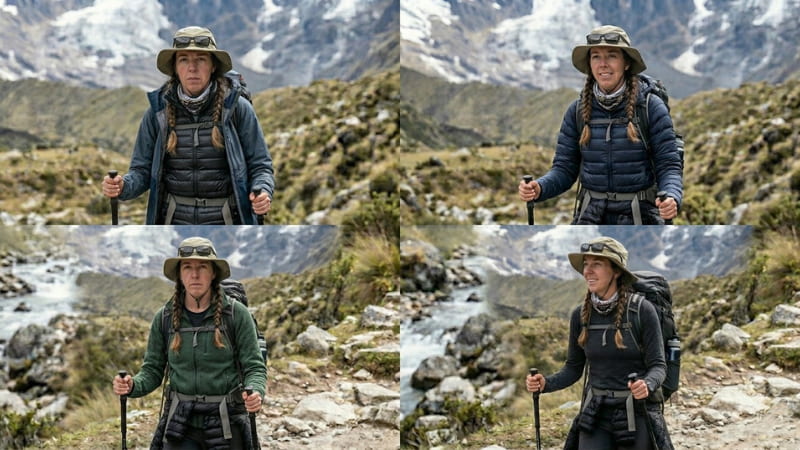
Day Pack (25–30L)
Clothing for immediate access:
- Waterproof jacket or rain poncho
- Fleece or thermal jacket
- Sun hat or beanie depending on the moment
- Thermal gloves
- Buff or neck gaiter
Hydration and food:
- Water bottle or CamelBak (2–3L)
- High-energy snacks (nuts, bars, chocolate)
- Isotonic powder
Documents and money:
- Original passport
- Machu Picchu entrance ticket (if applicable)
- Cash (300–400 soles)
Technology:
- Fully charged phone
- Compact power bank
- Headlamp with spare batteries
Health and personal care:
- Sunscreen SPF 50+
- Lip balm
- Insect repellent
- Basic first aid kit (paracetamol, Imodium, Compeed, bandages)
- Toilet paper
- Hand sanitiser
- Personal medication
Accessories:
- UV-rated sunglasses
- Trekking poles (or rent from the agency)
- Waterproof Ziploc bags (for passport, phone, and money)
- Waterproof pack cover
Duffel Bag / Load Bag (max. 5 kg — carried by the muleteer)
- Sleeping bag (-10°C, mummy style)
- Change of clothes (extra trousers, additional shirts)
- Sleepwear (comfortable pyjamas or tracksuit bottoms)
- Extra underwear
- Microfibre towel
- Swimwear (for the Cocalmayo hot springs, if applicable)
- Lightweight trainers or sandals for the campsite
- Chargers and non-urgent accessories
- Small padlocks for the duffel bag
Frequently Asked Questions About Salkantay Trek Packing
How much weight should I carry on the Salkantay Trek?
Your day pack should not exceed 5 to 8 kg. The muleteer or mule transports the load bag (maximum 5 kg), which carries your sleeping bag, change of clothes, and non-urgent items. This distribution lets you walk comfortably, especially on the ascent to the Salkantay Pass. Every extra kilo increases the risk of fatigue and knee injuries on the descents.
Is a sleeping bag necessary for the trek?
Yes — it is essential. Nights at Soraypampa can drop below 0°C even in the dry season. The bag must be mummy style with a hood and a comfort rating of at least -10°C. A standard summer camping bag is not enough. If you do not have a suitable one, specialist agencies such as Guru Explorers offer equipment rental for an additional fee.
What type of backpack is best for the Salkantay Trek?
The ideal day pack has between 25 and 30 litres of capacity. Key criteria:
| Feature | Recommendation |
| Capacity | 25 to 30 litres |
| Suspension system | Harness with lumbar support |
| Material | Water-resistant nylon |
| Rain cover | Essential (included or compatible) |
| Side pockets | For quick-access water bottle |
| Compression straps | To stabilise the load on descents |
For 4 or 5-day routes, a 40L pack could be considered, though the load bag is still carried by the muleteer.
Are there showers at the Salkantay Trek campsite?
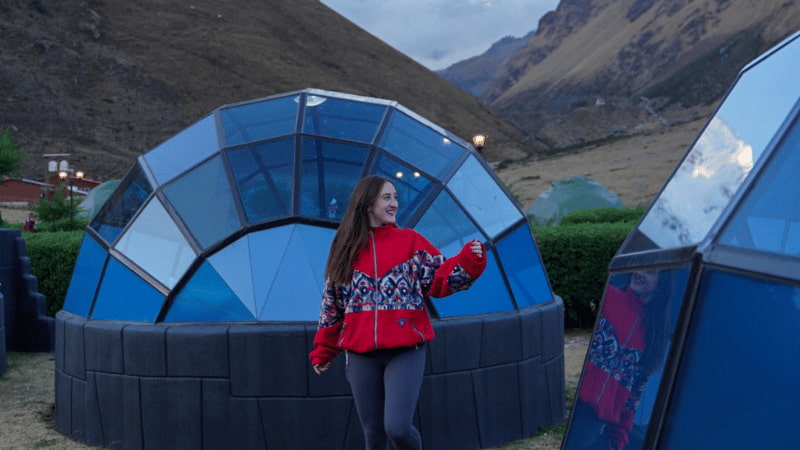
It depends on the service booked. Basic campsites generally do not have hot showers. Premium services (glamping or mountain lodges on the route) do include hot water facilities.
At Guru Explorers we offer a standard option (without showers) and a premium dome version (with showers and hot water). For campsites without showers, wet wipes and a microfibre towel are the standard solution.
Can I rent gear in Cusco before the trek?
Yes. There are trekking equipment rental shops in Cusco’s historic centre. Specialist agencies such as Guru Explorers also offer rental of poles, sleeping bags, and other accessories. Booking in advance is recommended, especially during peak season (June to August).
What does the Guru Explorers tour include in terms of gear?
Guru Explorers Salkantay Trekking Tours include muleteer or mule transport of the load bag (up to 5 kg), meals at the campsite, a tent, and a sleeping mat. The sleeping bag and personal clothing are the traveller’s responsibility, though rental can be arranged directly with the agency.
Get Ready for the Salkantay Trek with Guru Explorers
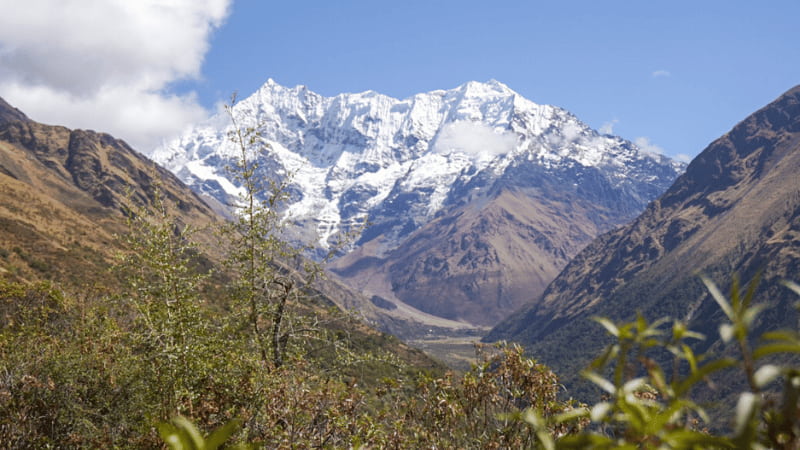
Packing well for the 2-day Salkantay Trek is the difference between savouring every metre of Andean scenery and arriving at camp soaked, exhausted, or with blisters that ruin the second day. The layering system, waterproof boots with grip, the right sleeping bag, and a well-distributed pack are the four pillars of a successful trek.
You do not need to bring everything: you need to bring the right things. The checklist in this article covers exactly that, adapted for both dry and rainy season.
If you have any questions about what your tour includes, what gear you can rent on-site, or how to prepare for your time of year, the Guru Explorers team can guide you before you set off.
Book and see all the details at the Salkantay Trekking Tours by Guru Explorers. The mountain is already waiting for you.