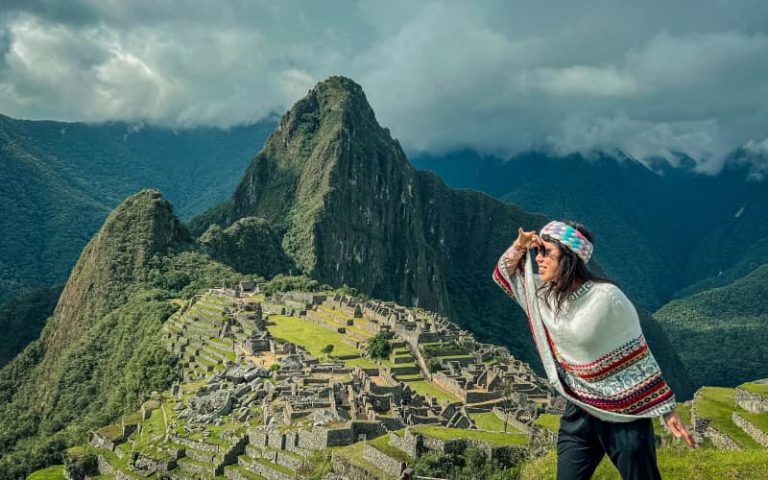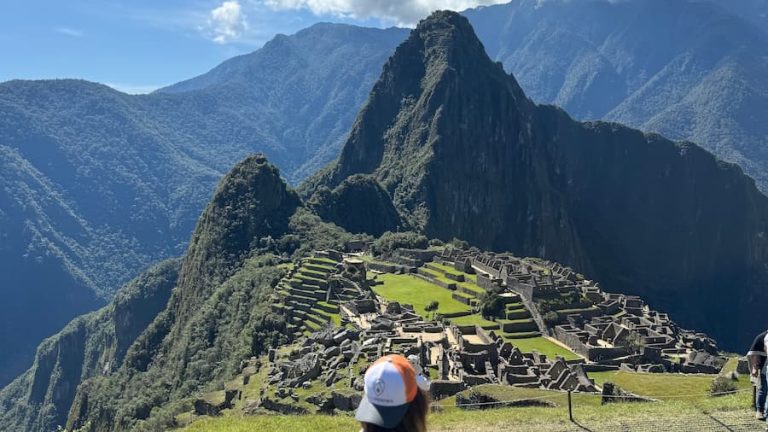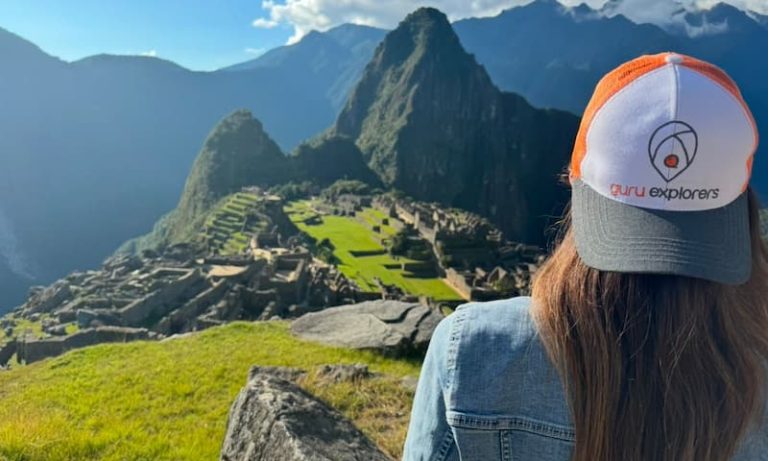
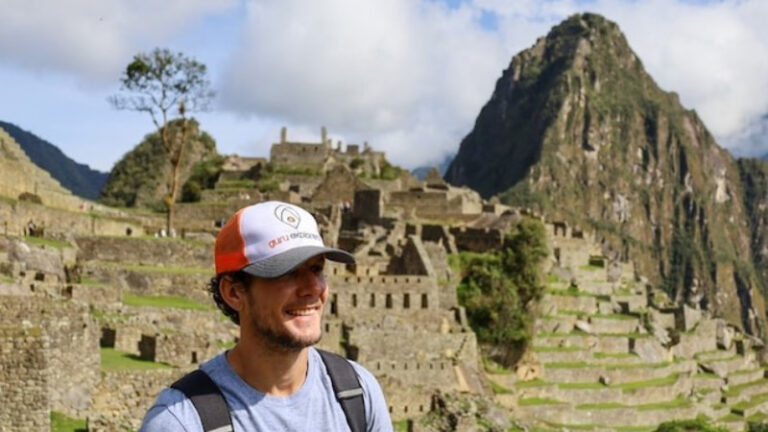
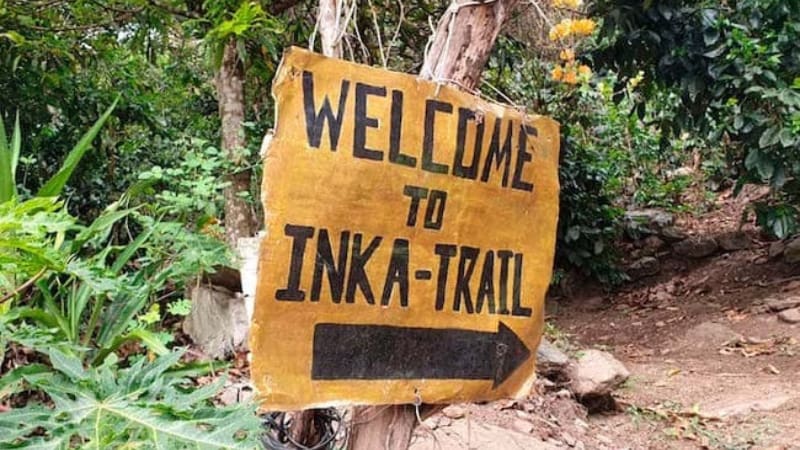
The Inca Trail is the only trekking route in the world that ends with the entrance to Machu Picchu through its original access: Inti Punku, the Sun Gate. A stone path built over 500 years ago by the Inca civilization, declared a World Heritage Site and considered one of the best treks on the planet. Unlike arriving by train or bus, those who hike the Inca Trail enter the citadel from the heights, with the sunrise as a backdrop and kilometers of history beneath their feet. That difference is irreplaceable.
Choosing the best trekking route on the Inca Trail depends on your available time, physical condition, and how deep you want the experience to be. There are four options, each designed for a different traveler profile. This guide helps you identify yours.
What is the best Inca Trail trekking route for your type of trip?
Inca Trail Full Day: the ideal option for travelers with limited time
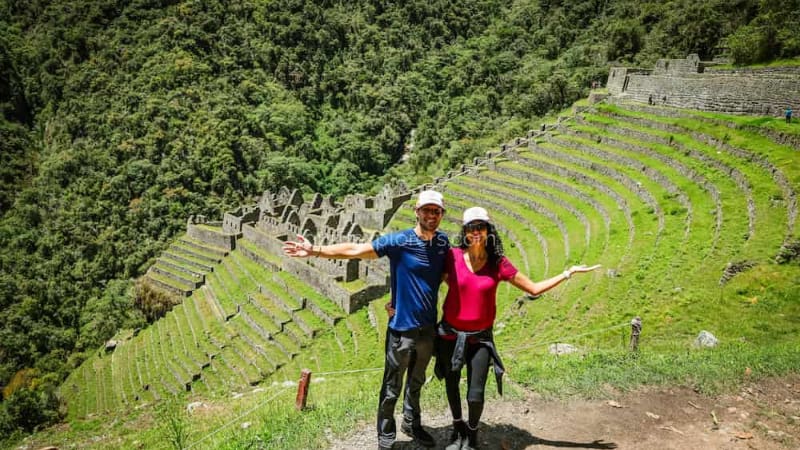
Covers the final section of the trail (~13 km) from Km 104, passing through the archaeological site of Wiñay Wayna up to Inti Punku. It allows you to reach Machu Picchu via the same route used by the Incas and enjoy spectacular panoramic views of the citadel from the upper terraces. Without the need to camp or dedicate several days to trekking, it is the perfect alternative for those who want to experience the essence of the Inca Trail within a shorter itinerary. The hike lasts between 6 and 8 hours and the difficulty level is accessible for most travelers with basic physical fitness.
2-Day Inca Trail: short trek with arrival at Machu Picchu
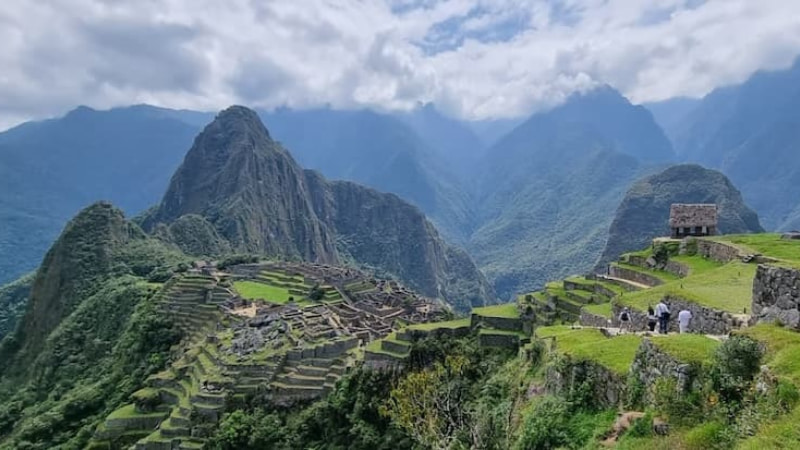
This option combines the excitement of hiking the Inca Trail from kilometer 104 and arriving at Machu Picchu through Inti Punku, the historic Sun Gate used by the Incas, with the comfort of spending the night at a hotel in Aguas Calientes and exploring the citadel more thoroughly the following day. The result is an experience that brings together trekking, history, panoramic views, and a more complete visit to Machu Picchu — ideal for those who want to live the essence of the Inca Trail without sacrificing comfort or dedicating several days of their itinerary to the hike.
4-Day Inca Trail: the classic route for the complete experience
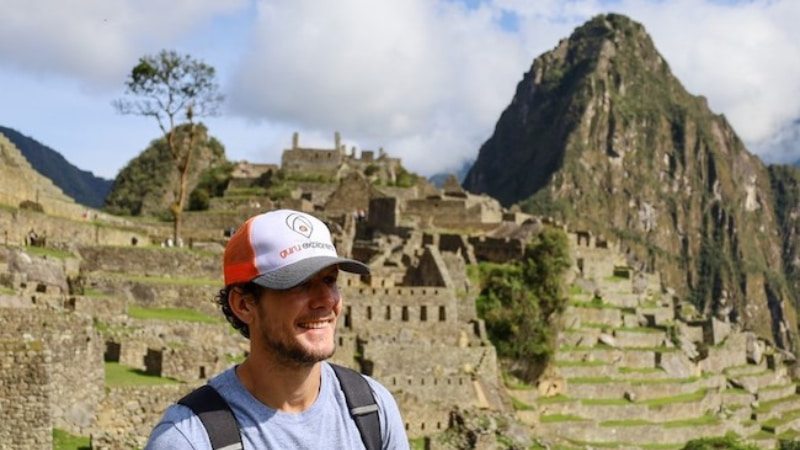
The full 44 km route from Km 82 (Piscacucho) to Machu Picchu. It crosses three distinct ecosystems (puna, cloud forest, and high jungle), four major archaeological sites, and the highest point on the route: Abra de Warmiwañusca at 4,215 m.a.s.l. Each day has its own character: the first offers a gradual entry into the Andean landscape, the second is the most physically demanding, the third is the richest in archaeology, and the fourth culminates with the arrival at Inti Punku at dawn. It is the complete historical and cultural experience of the Inca Trail and the route most recommended by those who have already done it.
5-Day Inca Trail: a more relaxed and immersive alternative
Follows the same classic 44 km route but with an extra day at the beginning, generally used for acclimatization in the Sacred Valley or a slower pace in the early sections. Recommended for travelers arriving directly from sea-level cities, for whom altitude sickness is a real concern, or for groups who want more time for photography and exploration without feeling the pressure of the daily pace.
Inca Trail Route Comparison Chart
| Route | Days | Distance | Difficulty | Max Altitude | Ideal Profile |
| Full Day | 1 | ~13 km | Low-Moderate | ~2,700 m.a.s.l. | Tight schedule, no camping |
| 2 days | 2 | ~15 km | Moderate-Low | ~2,700 m.a.s.l. | Trekking without sacrificing comfort |
| 4 days (classic) | 4 | 44 km | Moderate | 4,215 m.a.s.l. | Full historical experience |
| 5 days | 5 | 44 km | Moderate | 4,215 m.a.s.l. | Extra acclimatization, slower pace |
Check itineraries, prices, and availability at Guru Explorers Inca Trail Trekking Tours.
Difficulty, Duration, and Preparation for the Inca Trail Trekking Route
The classic Inca Trail is classified as moderate: no climbing technique or specialized equipment required. The real challenge is altitude combined with cumulative elevation gain, especially on Day 2, which includes nearly 4 hours of continuous ascent to Abra de Warmiwañusca, with long sections of Inca staircases. Once past that point, the route becomes more manageable and the landscape more than compensates for the effort.
| Technical Data | Value |
| Total distance | 44 km |
| Positive elevation gain | ~2,860 m |
| Negative elevation gain | ~3,057 m |
| Most demanding section | Abra de Warmiwañusca, Day 2 (~4 h ascent) |
Recommended physical preparation (4 to 8 weeks before):
- Weeks 1–2: hikes of 1 to 2 hours with elevation gain, 3 times per week
- Weeks 3–4: increase to 2–3 hours; add a long weekly hike of 4+ hours
- Weeks 5–6: hike with a backpack of 5–8 kg on uneven terrain and slopes
- Week before: active rest, maximum hydration, no intense exertion
Training on stairs or hills is more useful than a flat treadmill. The goal is not to arrive in athlete shape, but to accustom the body to sustained cardiovascular effort for several consecutive hours.
Acclimatization: Altitude sickness is the main risk on the Inca Trail, not physical exertion. Arrive in Cusco (3,400 m.a.s.l.) at least 2 days before the start. During those days: short walks, no alcohol, and plenty of hydration. Consult your doctor about Acetazolamide (Diamox) if coming from sea level. On the trail, the principle is always the same: slow and steady pace. If you can’t talk while walking, you’re going too fast. A minimum of 2 liters of water daily.
Permits, Certified Guide, and Best Time to Book the Inca Trail
Permits: The Inca Trail has a legally limited capacity: 500 people per day in total, of which approximately 200 are tourists. Permits sell out months in advance, are non-transferable and non-refundable, and can only be obtained through authorized agencies. There is no direct purchase option or waiting list.
Certified guide: The Ministry of Culture requires an official guide for all groups. Without an authorized guide, there is no access to the trail. Beyond the legal requirement, a specialized guide turns each archaeological site into real historical context: the difference between walking past a stone wall and understanding why that wall has been there for 600 years.
Best Time:
| Season | Months | Conditions | Consideration |
| Dry season | May to September | Sunny days, cold nights | High demand; book 4–6 months in advance |
| Wet season | October to January / March to April | Frequent rain, fewer tourists | Slippery trail; more permit availability |
| Annual closure | February | Closed for maintenance | No trekking possible |
The most balanced months are April and September: good weather, fewer crowds, and more permit availability than peak season. For the dry season (May to September), book at least 4 to 6 months in advance.
For detailed planning tips before you go, check out the complete tips and advice guide for hiking the Inca Trail with Guru Explorers.
Choose Your Inca Trail Trekking Route with Guru Explorers
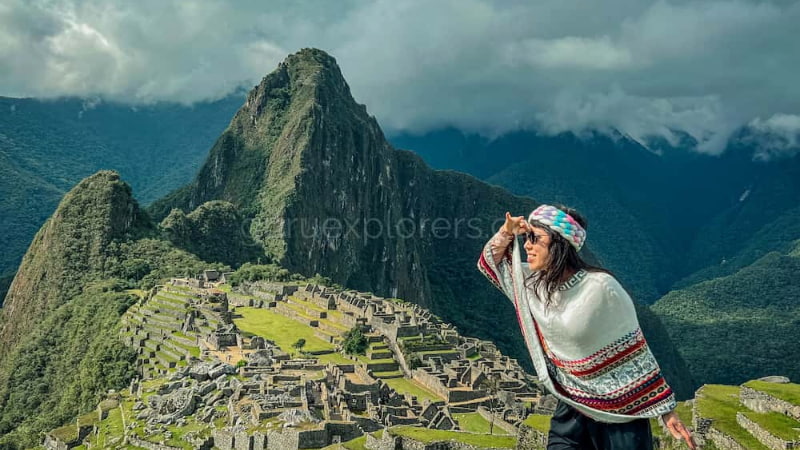
Guru Explorers is a local operator based in Cusco with more than 7,000 passengers accompanied on their trekking routes. They know the Inca Trail from the inside: permit management, campsite logistics, the most demanding days, and what makes the experience memorable rather than simply exhausting. They offer all four Inca Trail variants with certified guides, camping equipment, on-trail cooks, and full support from Cusco.
Book your spot in advance at the Inca Trail Trekking Tours. Spots are limited and advance planning is the difference between doing the trek or missing out.
Conclusion
The Inca Trail is not just a physical challenge: it is walking the same stone path used by the messengers of the Inca Empire toward a city the world forgot for four centuries. The ecosystems change, the altitude makes itself felt, and each archaeological site along the way adds a layer of context that no express visit can provide. Whatever Inca Trail trekking route you choose, arriving at Inti Punku with Machu Picchu below at dawn is one of those experiences with no substitute. It only requires planning, advance booking, and the right operator.