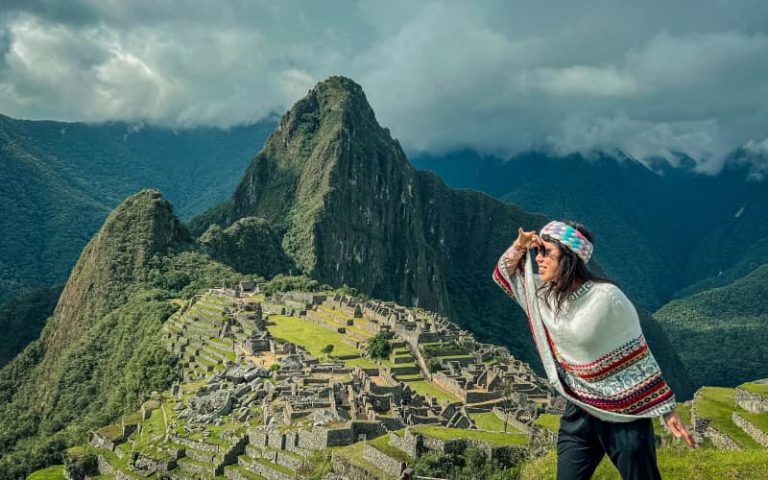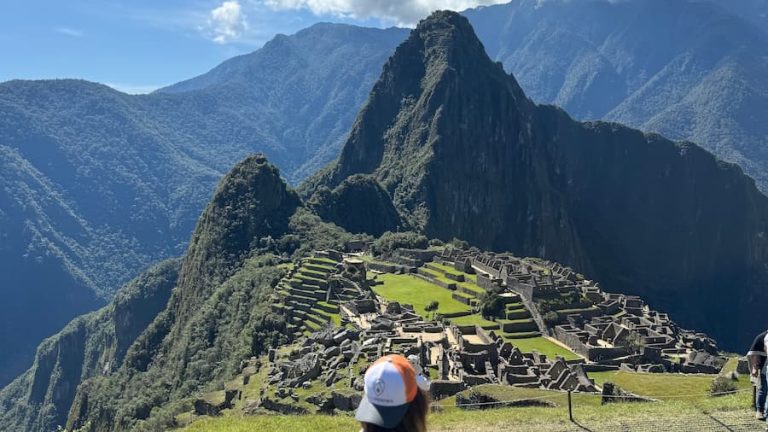
The Sacred Valley of the Incas is a fertile stretch between Cusco and Machu Picchu, following the Urubamba River and surrounded by snow-capped mountains, ancient terraces and lively Andean villages. Some of the most important archaeological sites of the former Inca Empire are found here, along with artisan markets, trekking routes and unique cultural experiences.
If you’re planning your trip and wondering what to do in the Sacred Valley, this guide will walk you through the best Sacred Valley attractions, practical tips, hiking routes and recommended tours with Guru Explorers. And if you’re coming from the guide on Peru’s 35 must-see destinations, you may already have seen a quick overview of what to do in the Sacred Valley; here we’ll go much deeper into everything you can experience in this valley.
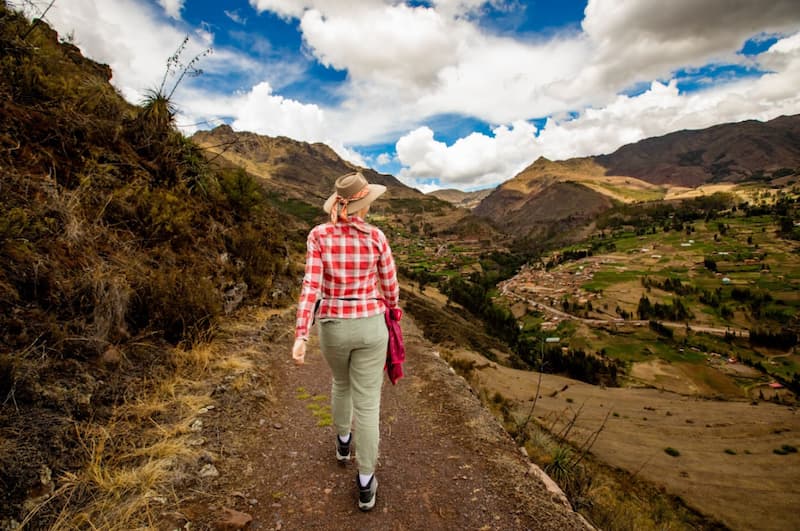
Why Visit the Sacred Valley of the Incas
The Sacred Valley of the Incas was one of the main agricultural, religious and political hubs of the Inca Empire. Thanks to its mild climate, fertile soils and the waters of the Urubamba River, a sophisticated system of agricultural terraces, irrigation canals and ceremonial centers was developed here – all of which you can visit today in just a few days.
It’s absolutely worth visiting if you want to:
- Explore iconic archaeological sites such as Pisac, Ollantaytambo, Chinchero, Moray and the Maras Salt Mines.
- Experience Andean culture in markets, textile workshops, ceremonies and traditional villages.
- Enjoy spectacular landscapes of mountains, terraces and rivers.
- Acclimatize to the altitude before visiting Machu Picchu or doing multi-day treks.
The valley is also very close to Cusco: in general, driving times range from 45 minutes to 1.5 hours, which makes it a strategic stop on any trip through southern Peru.
Tips Before You Visit
Before you go out to discover all the Sacred Valley attractions, it’s important to consider a few practical points: altitude, climate, distances, tickets and what to pack.
Altitude, Climate and Best Time to Visit
Altitude in the valley varies depending on where you are:
- Urubamba: around 2,870 m a.s.l.
- Pisac and Chinchero: above 3,000 m a.s.l.
- Ollantaytambo: roughly 2,790 m a.s.l.
In general, it’s slightly lower than Cusco, which is why many travelers choose to sleep here to acclimatize more comfortably.
The climate is usually divided into two main seasons:
- Dry season (approx. April to October): clear skies, mild days and almost no rain; cold nights. This is the ideal time for visits and treks.
- Rainy season (approx. November to March): more clouds and showers, but the valley is very green and there are fewer tourists.
If you’d like more specific details on temperatures, recommended months and altitudes by town, you can dive deeper into Guru Explorers’ article: Sacred Valley of the Incas: Learn About Its Climate, Altitude and Location.
Distances and Travel Times
To plan what to do in the Sacred Valley, it helps to have a rough idea of distances and driving times from Cusco (approximate values):
- Cusco – Pisac: 33 km / 1 h by car.
- Cusco – Chinchero: 29–30 km / 45–50 min.
- Cusco – Maras: 40–45 km / 1 h–1 h 10 min.
- Cusco – Maras Salt Mines: 50 km / 1 h 20 min.
- Cusco – Urubamba: 53–55 km / 1 h 20–30 min.
- Cusco – Ollantaytambo: 67–70 km / 1 h 30 min.
As you can see, you can combine several spots in a single day, but if you want to enjoy the Sacred Valley attractions without rushing, it’s best to dedicate at least 2 full days to the valley.
Tourist Ticket and Entrance Fees
To enter many archaeological sites in the valley (such as Pisac, Ollantaytambo, Chinchero or Moray), you’ll need the Cusco Tourist Ticket (Boleto Turístico del Cusco), plus a few specific tickets like the one for the Maras Salt Mines. There are different ticket types and combinations depending on which places you want to visit and how much time you have.
If it’s your first time in the area, it’s normal to have questions (which ticket to buy, where to get it, what it includes). That’s why many travelers prefer to go with an agency and get proper guidance.
When you book with Guru Explorers, you travel with expert local guides and organized transportation. Most tours include entrance tickets and, in other cases, you can add them directly during the booking process or receive clear instructions on which tickets you’ll need for your tour day. That way everything is simpler and you avoid buying the wrong ticket or getting last-minute surprises.
What to Pack for the Sacred Valley
- Layered clothing (t-shirt, fleece or sweater, windbreaker or waterproof jacket).
- Comfortable trekking shoes or trainers with a good sole.
- Hat, sunscreen and sunglasses (UV radiation is strong at altitude).
- Cash in soles for crafts, meals and snacks.
- A reusable water bottle and some light snacks.
By traveling with Guru Explorers, the complex part of logistics (routes, schedules, bookings and overall coordination) is already taken care of, so you can focus on enjoying the best Sacred Valley attractions.
Iconic Archaeological Sites in the Sacred Valley of the Incas
When people search what to do in the Sacred Valley of the Incas, the first thing that pops up is its impressive ruins. These are the archaeological sites that shouldn’t be missing from your itinerary.
Pisac
Pisac combines a charming town on the valley floor with a monumental archaeological complex high on the mountain. Its terraces cling to the hillsides overlooking the river, and the temples showcase the refinement of Inca architecture.
- Distance from Cusco: 33 km / ~1 h by vehicle
- Visit time: 2–3 h to explore at a relaxed pace
- Highlights include: agricultural terraces, ceremonial sites/areas, Inca burial grounds, and viewpoints with spectacular views.
A great plan is to drive up to the top and then hike down to the town (1.5–2 h walk, depending on your pace). Down in the village, the artisan market is perfect for textiles, ceramics and jewelry.
Ollantaytambo
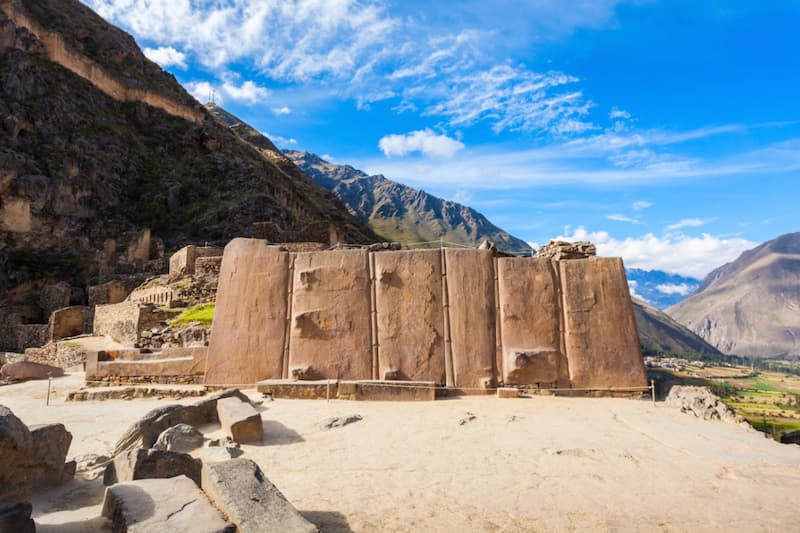
Ollantaytambo is known as the “living Inca town” because it still preserves its original street layout: narrow alleys, water channels and houses built on Inca stone foundations. The huge fortress that dominates the town was the scene of key battles during the Spanish conquest.
- Distance from Cusco: 67–70 km / ~1 h 30 min.
- Visit time: 2–3 h at the fortress + time to stroll around town
- Highlights: Temple of the Sun, terraces, ceremonial buildings and valley views.
From Ollantaytambo, many trains depart to Machu Picchu Pueblo, making it a strategic base if you want to connect your visit to the Sacred Valley of the Incas with the Inca citadel.
Chinchero
Chinchero sits on a high plateau with amazing views of snow-capped peaks. The archaeological site preserves terraces and Inca walls, next to a colonial church decorated with beautiful murals.
- Distance from Cusco: 29–30 km / 45–50 min.
- Visit time: 1.5–2 h.
- Lo más destacado: andenes, iglesia colonial, vistas a los nevados y centros textiles tradicionales.
On Sundays there is a traditional market where agricultural products, textiles and crafts are sold – a great opportunity to immerse yourself in everyday Andean life.
Moray
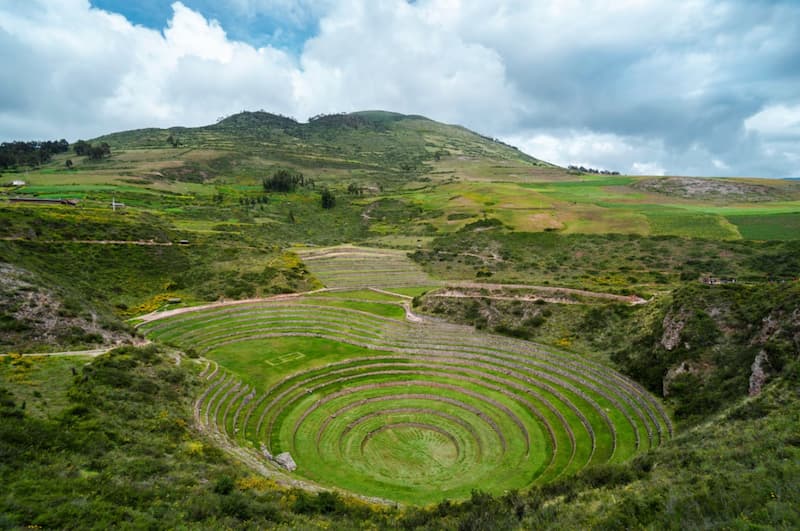
Moray is one of the most enigmatic places in the valley. Its concentric circular terraces, built in natural depressions, are believed to have functioned as an agricultural laboratory where different microclimates were tested.
- Distance from Cusco: 47–50 km / ~1 h 20 min (via Chinchero and Maras).
- Visit time: 1–1.5 h.
- Highlights: circular terraces, temperature differences between levels, unique photo opportunities.
It’s often combined with Maras on the same day, either by vehicle, hiking or mountain biking.
Maras Salt Mines
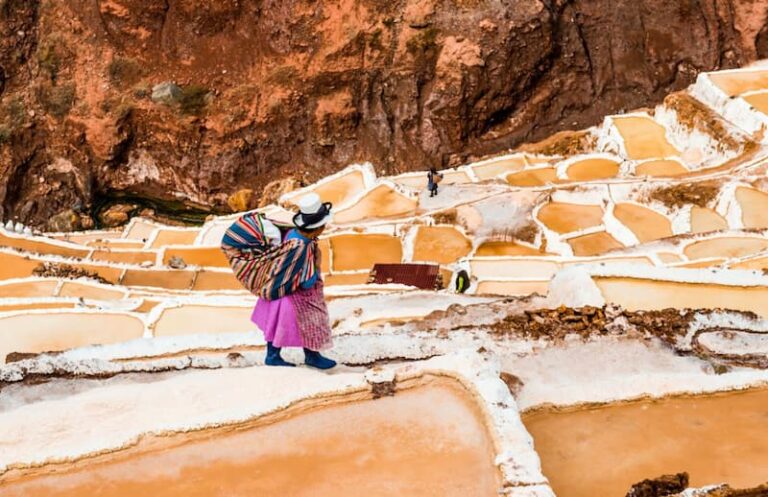
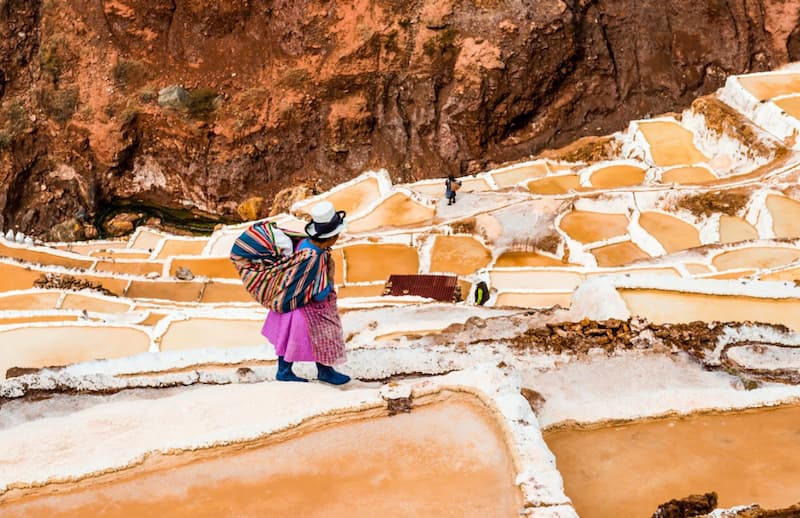
The famous Maras Salt Mines are thousands of salt pools cascading down the side of a mountain, creating a striking white-and-ochre landscape.
- Highlights: panoramic viewpoints over the pools, explanation of the traditional salt-harvesting process, shops selling gourmet salts and local products.
- Distance from Cusco: 50 km / ~1 h 20 min
- Visit time: 1–1.5 h.
Afternoon light makes the colors of the pools really pop, so it’s an ideal time to visit if you want spectacular photos of these Sacred Valley attractions.
Traditional Villages and Cultural Experiences
The valley isn’t just about ruins; it’s also made up of vibrant villages where Andean culture remains very much alive. When thinking about what to do in the Sacred Valley, we highly recommend combining archaeological sites with cultural experiences.
Pisac Town and Its Market
El pueblo de Pisac es famoso por su mercado artesanal, uno de los más conocidos de la región. Aunque hoy es muy visitado por turistas, sigue siendo un lugar excelente para:
- Buy textiles (ponchos, blankets, hats), ceramics and jewelry.
- Try fresh empanadas straight from traditional clay ovens.
- Stroll around the main square and visit the colonial church.
Sundays are the liveliest days, when the flow of tourists mixes with the traditional market frequented by people from nearby communities.
Urubamba and Yucay: The Agricultural Heart of the Valley
Urubamba and Yucay are located in the valley’s most fertile area, surrounded by cornfields, fruit trees and mountains. They’re perfect if you’re looking for peace and nature.
Here you can:
- Stay in hotels with large gardens and views of the snow-capped peaks.
- Sample contemporary Andean cuisine in countryside restaurants.
- Take part in activities such as cooking classes, Andean ceremonies or visits to rural communities.
Maras, Chinchero and Textile Workshops
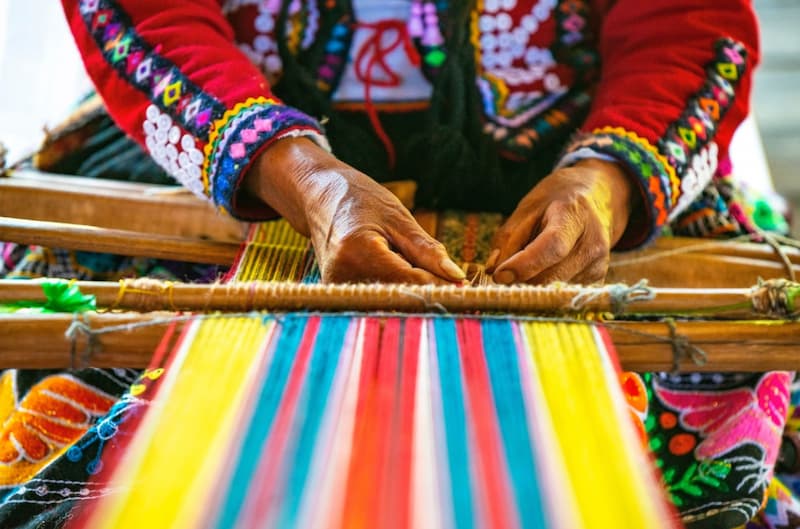
In Maras and Chinchero you’ll find many textile centers where families show the entire wool-working process:
- Washing and spinning.
- Dyeing with natural dyes (plants, seeds, cochineal).
- Weaving on backstrap looms or floor looms.
It’s a very enriching experience to understand the symbolism of Andean designs, support the local economy and bring home unique handmade pieces. These kinds of experiences add a human dimension to the Sacred Valley attractions and make your trip much more than a simple tour of ruins.
Trekking and Hiking Routes
If you enjoy walking, the valley offers routes for all levels – from short strolls to multi-day treks. It’s an excellent way to experience the Sacred Valley attractions in direct contact with nature.
Trekking Maras – Moray – Maras Salt Mines
Una de las rutas más populares conecta el pueblo de Maras con Moray y las Salineras de Maras.
- Duration: 3–4 h of hiking (depending on the section).
- Difficulty: moderate; there are ups and downs, but no technical sections.
- Best part: views over crop fields, snow-capped mountains and the dramatic descent towards the salt pools
You can book a tour that includes transportation and a guide, or combine vehicle and walking sections to adjust the level of effort.
Hike Through the Pisac Ruins
The archaeological complex of Pisac is perfect for a loop hike connecting different sectors of the ruins.
- Duration: 2–3 h, depending on your pace and photo stops.
- Difficulty: moderate; includes stairs, high sections and narrow paths.
- Best part: panoramic views of the valley, seemingly endless terraces and ceremonial areas.
If you prefer something easier, you can stick to the main area and return by vehicle.
Pinkuylluna in Ollantaytambo
Pinkuylluna is the mountain directly facing the main fortress of Ollantaytambo. Its slopes are home to ancient Inca storehouses.
- Duration: 45–60 min up + 30–40 min down.
- Difficulty: short but demanding, with steep slopes.
- Best part: 360° views of the town, the valley and the fortress.
It’s an excellent option if you’re staying overnight in the town and want a bonus sunset plan.
Multi-Day Routes: Lares and Huchuy Qosqo
If you’re after something more adventurous, the Lares and Huchuy Qosqo routes are 2- to 4-day treks that cross high Andean communities and end up connecting with the Sacred Valley of the Incas.
- Duration: 2–4 days depending on the trek.
- Altitude: passes that can exceed 4,000 m a.s.l.
- Best part: high-altitude lakes, snow-capped mountains, time with local communities and arrival to the valley via less-traveled paths.
For these treks it’s highly recommended to book with a specialized agency that takes care of logistics, safety, camps and meals.
Suggested Sacred Valley Tours with Guru Explorers
If you don’t want to deal with logistics and prefer to make the most of your time, booking a tour is your best option. With Guru Explorers you’ll find several Sacred Valley tours that combine the main highlights in well-organized itineraries, with professional guides and transportation included. It’s a comfortable and safe way to enjoy the best Sacred Valley attractions without worrying about schedules and connections.
Classic Sacred Valley of the Incas Tour
This is the ideal option if it’s your first visit and you want to see the essentials in a single day:
- Morning pick-up from your accommodation in Cusco.
- Stops at viewpoints with sweeping views over the valley.
- Visit to the Pisac archaeological site.
- Lunch in the valley (usually in or around Urubamba).
- Visit to the Ollantaytambo fortress.
- Depending on the itinerary, a stop in Chinchero or another traditional village in the valley.
On this kind of tour you travel with an expert local guide who explains the history and culture of each site, and with transportation fully coordinated. Depending on the tour type, you can include entrance tickets during booking or buy them following clear instructions from the Guru Explorers team, so you always know what’s included and what’s not.
Want to see the essentials in one day? Check out the different Sacred Valley tours with Guru Explorers and let an expert team handle all the logistics.
Sacred Valley + Chinchero + Moray & Maras
If you have a bit more time and want a more complete experience, an excellent option is to combine the Sacred Valley of the Incas with Chinchero, Moray and the Maras Salt Mines. On this kind of circuit you can:
- Visit one or several of the valley’s main archaeological sites (Pisac, Ollantaytambo or similar).
- Include Chinchero to see its terraces, colonial church and traditional textile centers.
- Explore Moray and learn about its role as a possible Inca agricultural laboratory.
- Finish at the Maras Salt Mines, with time for viewpoints, photos and local shopping.
It’s a very complete way to experience, in a single day, the blend of history, living culture and unique landscapes that define the valley – perfect if you want to make the most of your time and see more than just the usual stops.
Special Experiences: Llama Picnic in the Sacred Valley
If you’re looking for something different, more relaxed and very “Instagrammable”, you can complement your classic visits with a picnic in the Sacred Valley with llamas and alpacas, especially in the Chinchero, Moray and Maras area.
These experiences usually include:
- A natural setting with mountain views over the valley.
- A picnic with carefully selected local products.
- Time to interact and take photos with llamas or alpacas in a controlled, respectful environment.
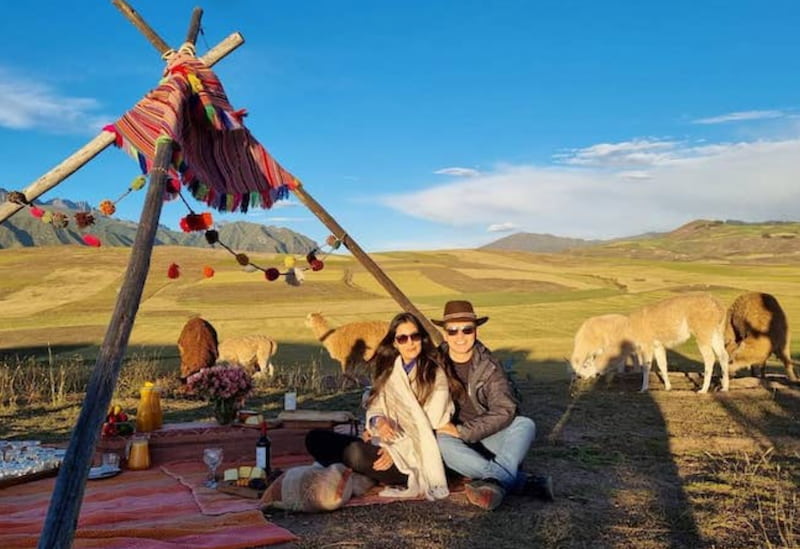
It’s perfect for couples, groups of friends or any traveler wanting a special moment beyond traditional sightseeing. Ask Guru Explorers about llama picnic + Chinchero, Moray & Maras options to add this unique touch to your Sacred Valley of the Incas itinerary.
Adventure Tours in the Sacred Valley: Skybike, Via Ferrata and ATVs
For more adventurous travelers, the valley is also an incredible outdoor playground. Besides traditional tours, with Guru Explorers you can add experiences such as:
- Skybike and via ferrata in the Sacred Valley: climb rock walls on a via ferrata route, rappel or zip-line, and ride a bike suspended over the valley. It’s a unique way to see the landscape from above, always with safety equipment and specialized guides.
- Maras & Moray by ATV: ride ATVs along rural roads, viewpoints and areas near Maras and Moray, combining valley views with the thrill of driving off-road. Many of these circuits include photo stops and, depending on the tour, views of the Maras Salt Mines.
These activities are ideal if you’ve already done the classic valley tour or want to dedicate a full day to adventure. All you need is basic physical fitness and a desire to have fun – guides take care of the gear, instructions and logistics.

Combine the Sacred Valley with Other Tours in Cusco
The valley fits perfectly into a wider itinerary around the Cusco region. After exploring its ruins, villages, hiking routes and adventure experiences, you can complement your trip with:
- Machu Picchu tours (1 or 2 days).
- Day trips to Rainbow Mountain, Ausangate or Humantay Lake.
- Cusco city tour and nearby sites (Sacsayhuamán, Q’enqo, Tambomachay, etc.).
On the Cusco tours page you’ll find all the options to build a custom route, combining the Sacred Valley of the Incas with other key spots in southern Peru and getting the most out of your trip.
Frequently Asked Questions (FAQ)
How many days do you need to visit the Sacred Valley?
As a minimum, 1 full day is recommended to visit some of the main sites (Pisac, Ollantaytambo and an extra village). But if you want to fully enjoy the ruins, markets, short treks and cultural experiences, the ideal is to spend 2 or 3 days in the valley.
Can you visit on your own or is a tour better?
You can explore the valley on your own using local buses and taxis, but you’ll have to manage schedules, tickets and transfers by yourself. A tour with Guru Explorers lets you optimize your day, visit several Sacred Valley attractions without rushing and get detailed explanations from professional guides that enrich the experience.
When is the best time to visit the Sacred Valley of the Incas?
The best time is usually the dry season (approx. April to October), with more stable weather and little rain. During the rainy season (November to March) landscapes are very green, but you need to be prepared for showers and possible itinerary changes. For more details, you can check the article on the valley’s climate, altitude and location.
How can you combine the Sacred Valley with Machu Picchu?
A very popular option is to do a Sacred Valley of the Incas tour in 1 day, sleep in Ollantaytambo and then take the train to Machu Picchu the next morning. Another alternative is to return to Cusco and depart from there on a tour. Guru Explorers can help you design a complete itinerary that connects both destinations efficiently.
Conclusion
The Sacred Valley of the Incas is far more than a simple stop on the way to Machu Picchu – it’s a destination in its own right, full of history, living culture and breathtaking landscapes. Now you know what to do in the Sacred Valley: visit ruins such as Pisac, Ollantaytambo, Chinchero and Moray; wander through traditional villages; enjoy markets, textile workshops and trekking routes; and understand why the valley is one of Peru’s top tourist attractions.
If you want to make the most of your time and experience this destination in a comfortable, safe way, the next step is to choose your Sacred Valley tours and combine them with other Cusco tours. With Guru Explorers you’ll have an expert team handling all the logistics, while you focus on enjoying the best Sacred Valley attractions and creating unforgettable memories in the heart of the Peruvian Andes.