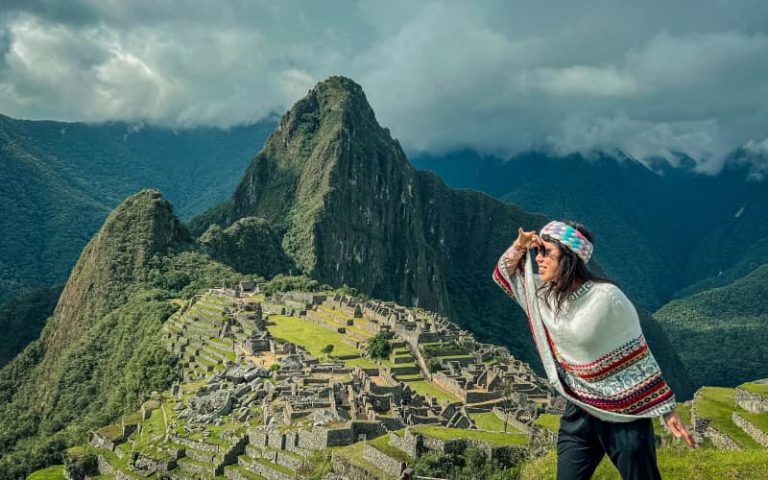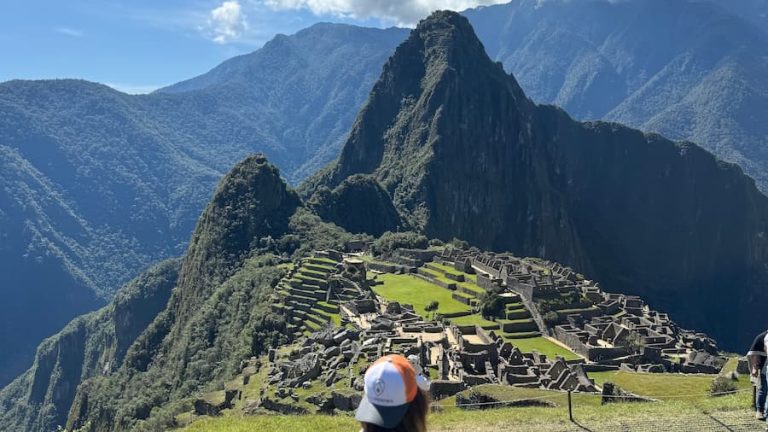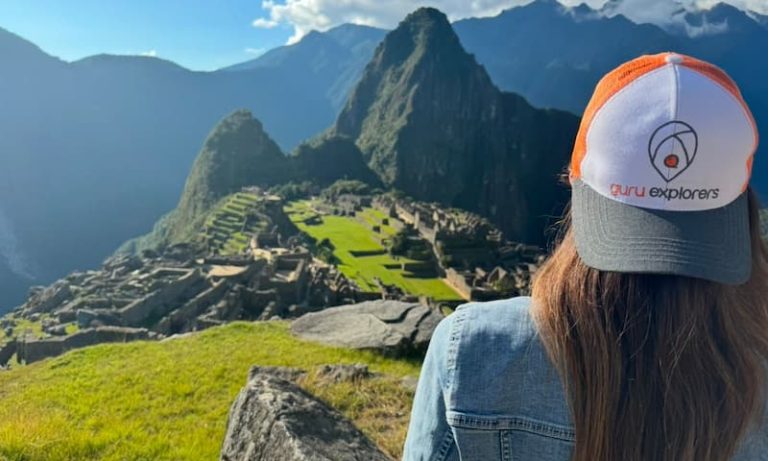


If you’re thinking about visiting Peru and want to protect your wallet, here’s the short answer: the low season runs from November to March, and that’s when you’ll find the best prices. During those months, flights and hotels cost less because it rains in the Andes and fewer international tourists arrive.
At Guru Explorers, we’ve spent years organizing tours in Cusco, Machu Picchu, Lima, Ica, Arequipa, Puno, and the jungle, and if there’s one thing we get asked all the time, it’s when is it cheapest to travel to Peru. So here’s what we see day to day: which months are worth it, which ones to avoid, and how to build your budget without surprises.
What Is the Cheapest Time of Year to Travel to Peru?
The cheapest time to travel to Peru is the low season, between November and March. With fewer tourists around, flights and hotels drop in price, and there’s much more availability for tours, trains, and entrance tickets.
Peru’s tourist year is divided into three seasons. Here’s a quick summary:
| Season | Months | Demand | Prices | Weather in the Andes |
| Low | November to March (except year-end holidays) | Few international tourists | The lowest of the year for flights and hotels | Rainy, though mornings are usually clear |
| Shoulder | April to May and September to October | Moderate | Mid-range, with good availability | Transitional: green landscapes and some rain |
| High | June to August, Holy Week, and year-end holidays | Very crowded | The highest of the year | Dry, with clear skies |
If saving money is your priority, the months to avoid are June, July, and August. Everything converges then: the dry season, summer vacations in the US and Europe, Inti Raymi (June 24), and Peru’s Independence Day holidays (July 28–29). The result: higher prices and Machu Picchu tickets that sell out months in advance.
We also recommend avoiding Holy Week and the year-end holidays. Even though they fall close to the low season, half of Peru travels during those dates and prices go up.
Cheapest Month to Travel to Peru by Destination
The cheapest month to travel to Peru changes depending on where you’re going, because the climate on the coast, in the Andes, and in the jungle is very different. This table shows the best-value months for each area where we run tours:
| Destination | Cheapest months | Good to know |
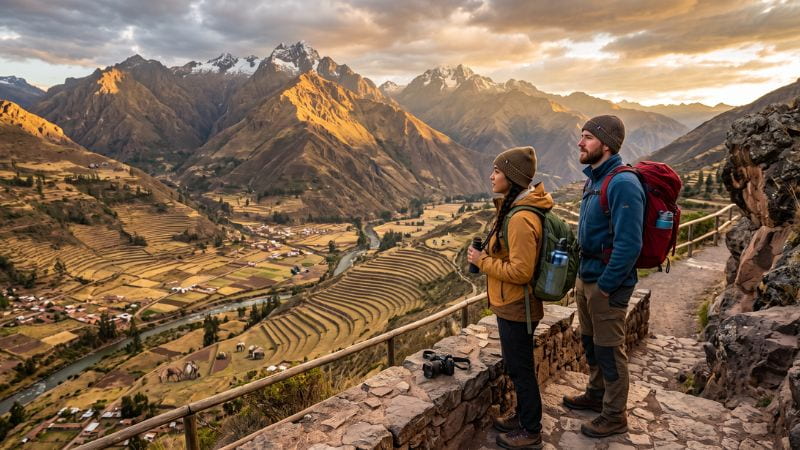
| Cusco and the Sacred Valley | February, March, and November | It rains in the afternoons, but mornings are usually clear and everything looks greener |
| Machu Picchu | February and March | Machu Picchu is open year-round; in February, the Inca Trail and the Salkantay Trek close for maintenance and rain |
| Rainbow Mountain, Humantay, and Palccoyo | November and March | In January and February the trails can get muddy |
| Lima | April to November | In summer (December to March), the coast fills up with local tourism |
| Ica: Paracas, Huacachina, and Nazca | April to June and September to November | The desert has good weather almost all year |
| Arequipa and Colca Canyon | November to March | Light rains; condors can be seen year-round |
| Puno and Lake Titicaca | November to March | Best to avoid the first week of February due to the Candelaria Festival |
| Jungle: Iquitos, Tambopata, and Manu | November to April | Rivers rise: navigation is better in Iquitos and lodges lower their rates |
In short: February is the cheapest month for Cusco and Machu Picchu, and November offers the best balance of price and weather if you’re planning to visit several regions.
One piece of advice we give often: build your trip around nearby zones. For example, Arequipa, Colca, and Puno connect by land on the way to Cusco, so you can see it all in a single route without overspending on transfers.
How Much Does It Cost to Visit Peru in the Low Season?
The budget for a trip to Peru depends mainly on five things: the season, flights, the type of tour, entrance tickets, and internal transfers. The good news is that in the low season flights and hotels tend to be cheaper, so the total trip ends up costing considerably less.
These are the biggest budget factors:
- International and domestic flights: this is the expense that varies the most; in the low season you’ll find better fares and more options.
- Type of tour: tours keep the same price year-round; the savings come from choosing a shared tour, which is always more affordable than a private one, though private tours give you total freedom over schedule and pace.
- Machu Picchu tickets: the price is set by the government and doesn’t go down, but in the low season it’s much easier to get the time slot you want.
- Train to Machu Picchu: the leg to Aguas Calientes is one of the trip’s bigger expenses, and the price varies quite a bit depending on the train category.
- Hotels and food: hotels adjust their rates based on demand; in the low season you can stay somewhere nicer for the same money.
The most practical way to know what your trip will actually cost is to get a quote for your itinerary with specific dates. In our best tours in Peru you can see updated prices by destination, service type, and duration.
Is It Worth Traveling to Peru in the Low Season?
Yes, and for most travelers it’s the best option. You pay less, there are fewer people at the attractions, and you can get tickets, trains, and hotels without fighting for availability.
The only “but” is the weather. Between November and March it rains in the Andes, almost always in the afternoons, and multi-day treks require better gear. Also, the Inca Trail closes for all of February for maintenance, though there are alternatives like the Salkantay or Lares treks, which run year-round.
Here’s how the balance looks:
- Pros: lower prices, fewer tourists, green landscapes, better availability, and more flexibility if you want to change plans.
- Cons: afternoon rain in the highlands, muddy trails on high-altitude treks, and the Inca Trail closure in February.
And if your trip is along the coast (Lima, Paracas, Huacachina) or in the jungle, the Andean rain won’t even touch you: the Ica desert has good weather almost year-round, and in the jungle, higher rivers actually make navigation even better.
Tips for Saving Money When Traveling to Peru
Saving on a trip to Peru is more about planning well than getting lucky. These are the steps we recommend to our travelers, in order:
- Choose your season first. Look for dates between November and March, avoiding Holy Week, the Candelaria Festival in Puno (first week of February), and the year-end holidays.
- Play with flexible dates. Moving your trip by one or two weeks can significantly lower flight prices; use search engines with a price calendar.
- Buy flights and tickets in advance. Machu Picchu tickets have a daily quota; buying them two to three months ahead secures the circuit and time slot you want.
- Build your route around nearby zones. Combine Cusco with the Sacred Valley and Machu Picchu, or do the Arequipa–Colca–Puno route, and you’ll save on transfers and hotel nights.
- Book your tours in advance. That way you secure your spot on shared tours, which are always the more affordable option compared to private ones.
- Stay a few blocks outside Cusco’s center. The same level of hotel costs less at a 10–15 minute walk from the Plaza de Armas, without sacrificing real proximity.
- Pack light for domestic flights. Airlines flying to Cusco charge steep fees for excess baggage. A well-planned carry-on backpack avoids that extra expense.
- Choose shared tours for day trips. Rainbow Mountain, Humantay Lagoon, or the Sacred Valley offer the same experience in a group, at a lower price.

Frequently Asked Questions About Traveling to Peru on a Budget
What is the cheapest month to travel to Peru?
In general, February is the cheapest month to travel to Peru, especially for Cusco and Machu Picchu. If you’d rather have less rain, November is the best alternative.
Does Machu Picchu close during the rainy season?
No. Machu Picchu is open every day of the year. What closes in February, due to maintenance and rain, are the classic Inca Trail and the Salkantay Trek; other routes like the Lares Trek run year-round.
Is it safe to travel to Peru during the rainy season?
Yes. Tours operate normally and rain almost always falls in the afternoons. Only multi-day high-altitude treks require good gear and some flexibility in your itinerary.
How far in advance should I book during the low season?
One to three months is enough for almost everything. That said, Machu Picchu tickets and the train should be secured first, even in the low season.
Plan Your Trip to Peru with Guru Explorers

Traveling to Peru in the low season is the smartest way to see the country while spending less: you pay less, encounter fewer crowds, and get the same experience at Machu Picchu, the Sacred Valley, Colca, or the jungle.
The secret is planning ahead: choosing the right month for your destination, locking in the big expenses first, and building your route around nearby zones.
At Guru Explorers, we help you build the perfect itinerary for your dates and budget, with shared, private, and customized tours across different parts of Peru. Check out our best tours in Peru and start planning your trip today.