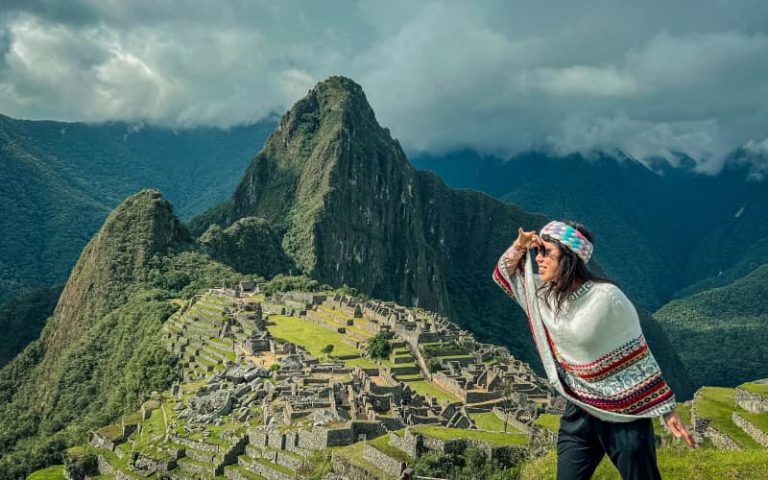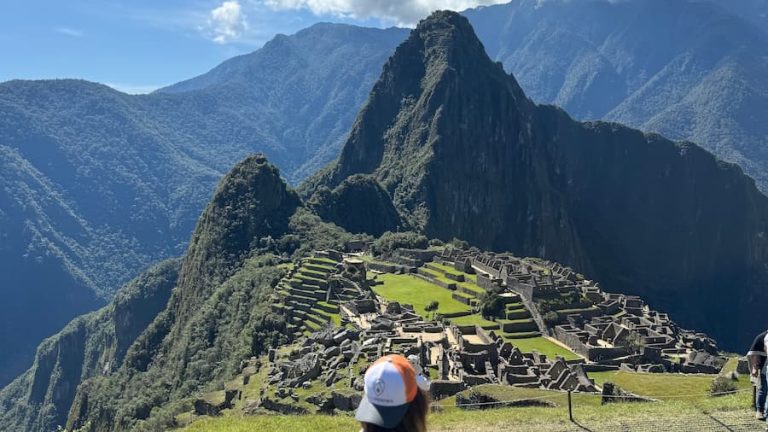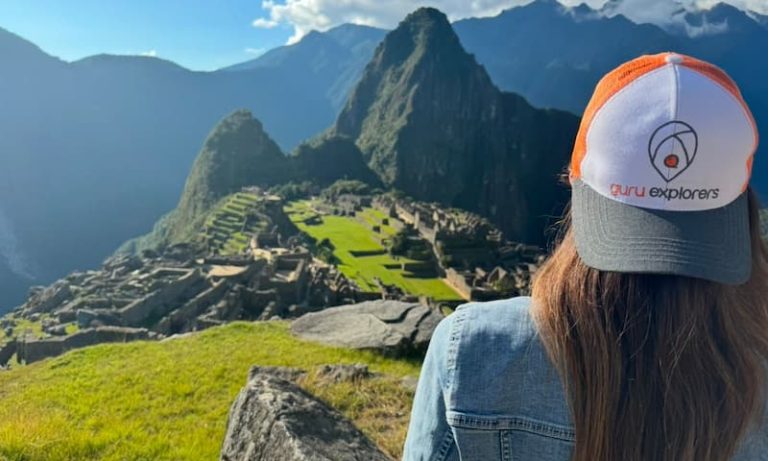
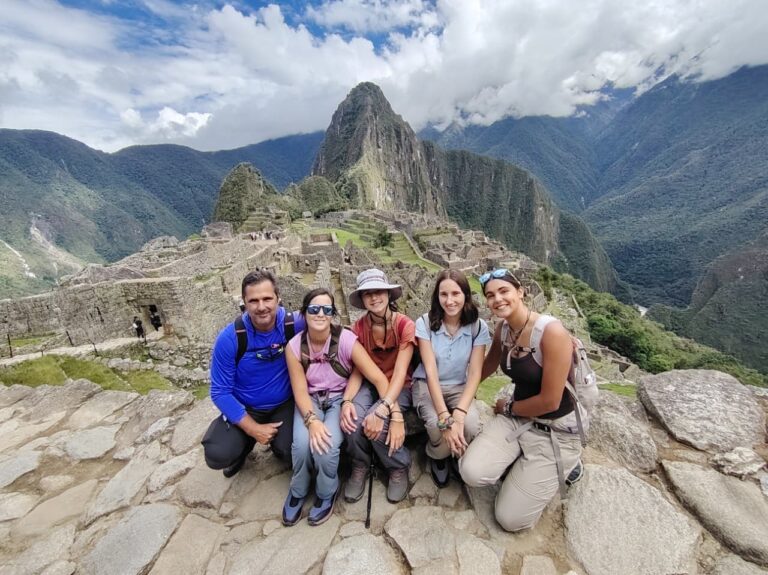
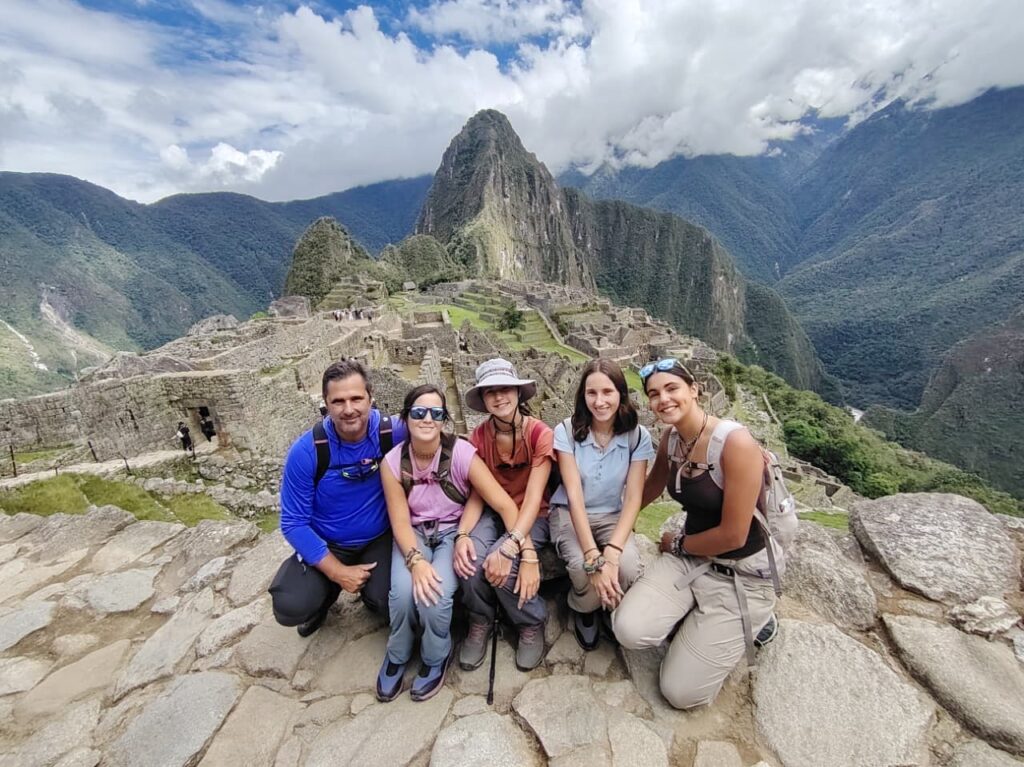
Choosing the right circuit can completely change how you’ll remember your visit to Machu Picchu. Circuit 2 is the most requested route in the citadel, and for good reason: it combines the panoramic photo everyone dreams of with access to the most important temples and plazas of the sanctuary. If you want to understand how this route fits within the official system, here’s a guide to machu picchu circuit 2.
What is Circuit 2 of Machu Picchu and what does it include?
Circuit 2 of Machu Picchu is the official classic circuit. It runs between the upper and middle areas of the archaeological site, combining a wide panoramic view with access to the main temples and plazas. It includes two internal routes that share most of the path: 2A Designed Classic and 2B Lower Terrace. If you’d like to compare other ways to explore the citadel, you can also check out our tours.
What Circuit 2 includes
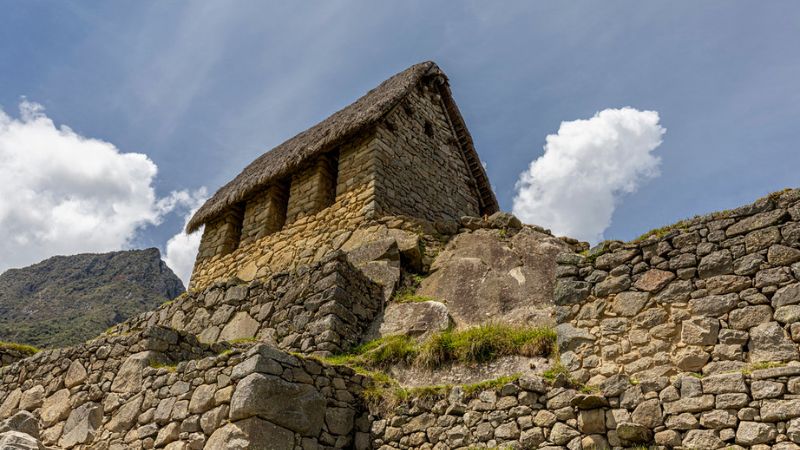
- Entrance through the upper area and access to the classic viewpoint at the Guardhouse.
- Walk through the agricultural zone and the middle terraces of the citadel.
- Visit to the urban sector and the main Inca temples.
- Choice between two internal routes (2A or 2B) depending on the photo and panoramic angle you prefer.
Comparison table: Circuit 2 versus the other circuits
| Aspect | Circuit 1 | Circuit 2 | Circuit 3 |
| Type of experience | Panoramic | Integral (panoramic + temples) | Lower area |
| Zone | Upper area | Upper area + urban sector | Lower zone |
| Main attraction | Viewpoints | Classic photo + main temples | Lower temples and mountains |
| Difficulty | Low to high (depending on route) | Low to medium | Low |
| Ideal for | Photography and landscape | First visit and full tour | Access to Huayna Picchu or Machu Picchu Mountain |
What to see on Circuit 2 of Machu Picchu: main highlights
Along the route you’ll pass six key points, each with its own story within the sanctuary.
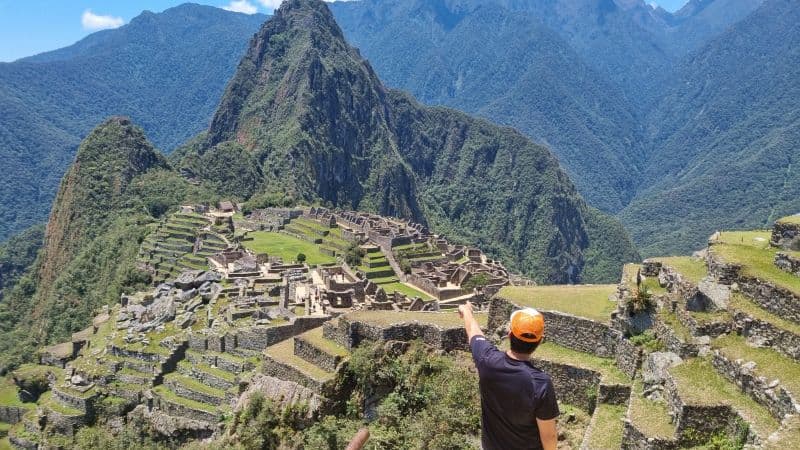
The Guardhouse The most famous viewpoint in Machu Picchu and the spot where the classic photo of the citadel is taken, with Huayna Picchu in the background.
Agricultural zone and middle terraces The terraces served a double function — productive and structural — since they also supported the sanctuary’s drainage system. They show how the Incas combined agriculture, hydraulic engineering, and adaptation to the terrain in a single system.
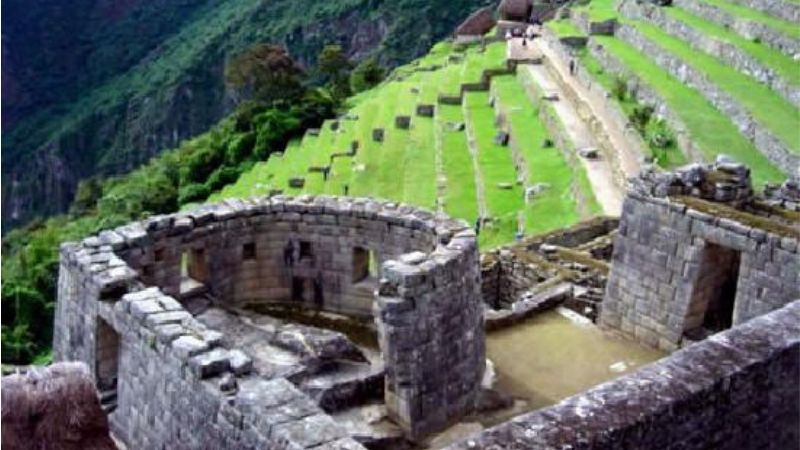
Temple of the Sun (Torreón) The only semicircular building in Machu Picchu, known for the quality of its carved stone and its ceremonial role. Right below it lies a chamber known as the Royal Tomb.
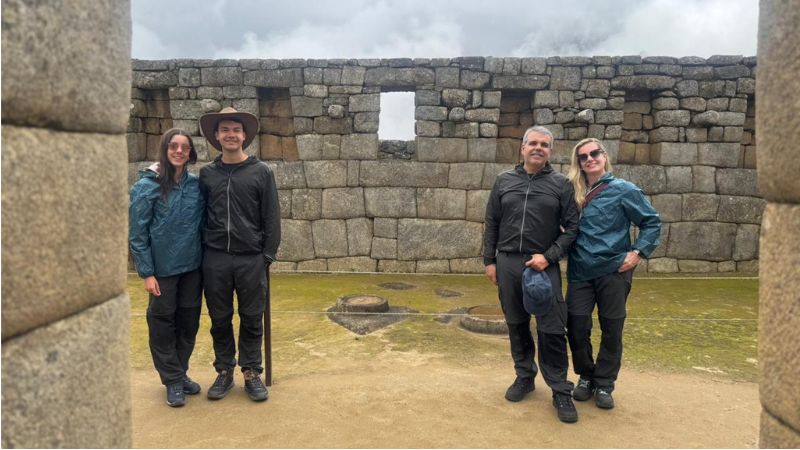
Sacred Plaza and Main Temple The ceremonial heart of the citadel. Here you’ll also find the Temple of the Three Windows, one of the most photographed structures on the site.
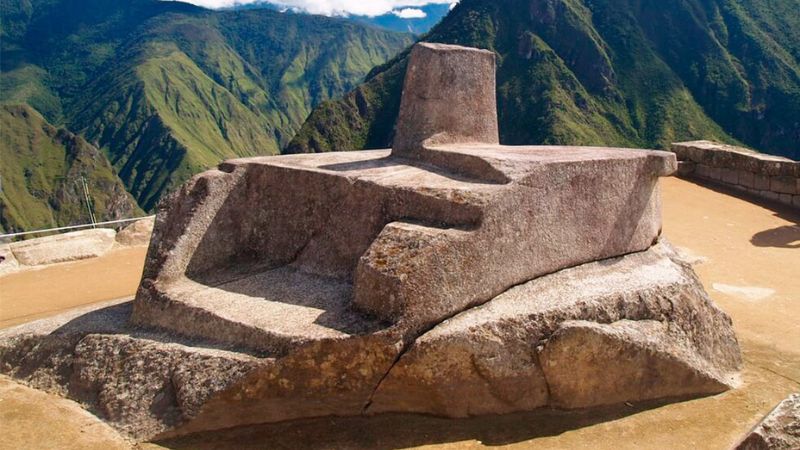
Intihuatana A monolithic carving located at the highest point of the urban sector. It’s one of the most enigmatic elements of the sanctuary and one of the few that survived intact after the Spanish arrival.
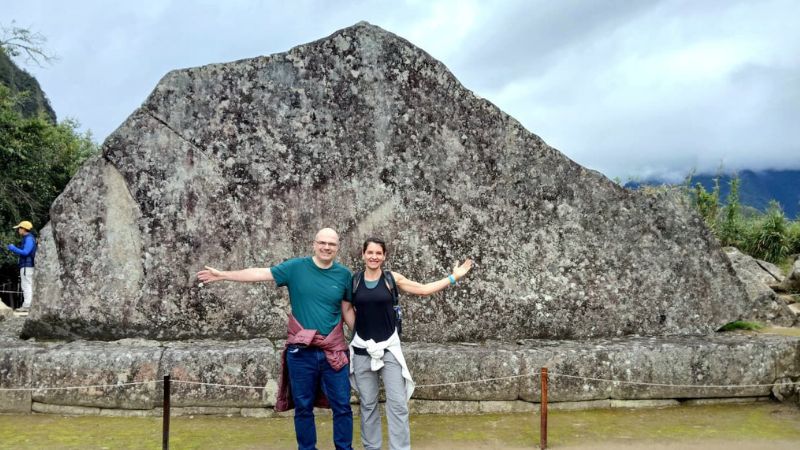
Sacred Rock and Water Mirrors The Sacred Rock is a large monolith placed at the end of the central route. The Water Mirrors are small circular stone structures carved with a precision that still impresses archaeologists today.
Complementary routes Circuit 2 doesn’t include additional climbs, but it pairs well with more active experiences. If you’d like to reach the citadel on foot, you can also look into our trekking options.
What kind of experience does it offer?
The Circuit 2 experience is more contemplative than physical: with no trekking or steep climbs, it works well for families, older travelers, and anyone who prefers a relaxed pace. But it doesn’t stay on the panoramic side. Once you enter the urban sector, every wall and plaza responds to a ritual and astronomical logic that turns the walk into a reading of the sanctuary. That’s why it’s the favorite among first-time visitors as well as those who return to catch details they missed before.
Routes of Machu Picchu Circuit 2: differences and how to choose
The two official routes of Circuit 2 share most of the path, but they split at the spot where the panoramic photo is taken and in the way you approach the urban core. The difference may seem small on a map, but in practice it changes how you’ll experience the citadel.
Comparison table of Circuit 2 routes
| Route | What it includes | Difficulty | Ideal for |
| 2A Designed Classic | Classic photo + main temples | Low-medium | Architecture and sacred detail |
| 2B Lower Terrace | Panoramic postcard photo + main temples | Low-medium | Landscape and Inca symbolism |
Differences between the routes
Route 2A – Designed Classic Route 2A leads you down into the sanctuary the same way the Incas themselves did. The Guardhouse, where the tour begins, functioned as a ceremonial threshold between the everyday world and the sacred space, so descending from there means reproducing that ritual choreography. It’s also the route that takes you closest to the Torreón, whose main window aligns with the sunrise of the June solstice, illuminating a ceremonial rock inside. It’s the best choice if you’re interested in Inca thinking from the angle of astronomical architecture.
Route 2B – Lower Terrace Route 2B places you in the perspective from which Machu Picchu was meant to be seen, with Huayna Picchu rising behind it as its living counterpart. This relationship reflects the Andean principle of yanantin, the complementarity between opposites: the “old peak” converses with the “young peak,” and the city sits between them as a mediator. It’s the same principle applied in the Sacred Rock, which mirrors the silhouette of the mountain behind it. From here you can appreciate this dialogue at full scale: the entire citadel in conversation with the apus that surround it. It’s the route for those who want to understand Machu Picchu as a sacred geography in dialogue with the landscape.
How to choose the best route for your profile
- If it’s your first visit and you’re interested in ritual architecture from within, choose 2A.
- If you’re after the most recognizable panoramic photograph in the world, choose 2B.
- If you’re traveling with family or older adults, 2A has slightly shorter slopes.
- If you arrive after a trek like Salkantay or the Inca Trail, either one works well as a closing experience; prioritize time-slot availability.
- If you’re focused on photography, the ideal is to enter between 6:00 and 8:00 a.m. to catch soft light and fewer crowds.
Practical recommendations before your visit
- Buy your ticket 4 months in advance, especially between June and August.
- Wear shoes with good grip; there are sections of wet stone and some uneven terrain.
- Hire an official guide: the site has no interpretive signage, and much of its value lies in what you can’t see at first glance.
- Once the circuit begins, you cannot backtrack, so walk steadily but don’t linger too long at the start.
- Check the weather and bring a lightweight rain jacket, especially between December and March.
Plan your visit with Guru Explorers
Circuit 2 of Machu Picchu remains the best way to grasp the scale of the citadel in a single visit. It isn’t the most demanding or the most exclusive, but it is the most complete. It gives you the most recognizable photo of the sanctuary, takes you through the main temples, and lets you discover the site for what it truly is: a space designed down to the last detail. Choosing between Route 2A and 2B is more about perspective than about the walk itself, so prioritize the time slot you can secure and book early.
At Guru Explorers we design tailor-made experiences so every traveler can live Machu Picchu at its best. Once you have a clearer idea of the route that fits you, the next step is to compare options and book in advance. It’s also worth reviewing our guide on the circuits of Machu Picchu to see the differences between routes in more detail.
You can explore our tours if you’re looking to organize your full trip, go for a trekking experience if you’d rather reach the citadel on foot through routes like Salkantay, Lares, or the Inca Trail, or choose directly the Machu Picchu by Train Tour – Circuit 2 if you want the most comfortable and direct experience from Cusco.